
When I read that the Lucas Museum was opening in September in LA, I couldn’t believe my luck. We were already planning to be there in November, with a few free days to wander around. It was perfect timing. The stars were aligning.
So, the tickets were bought, the day was set, and my expectations were sky-high.
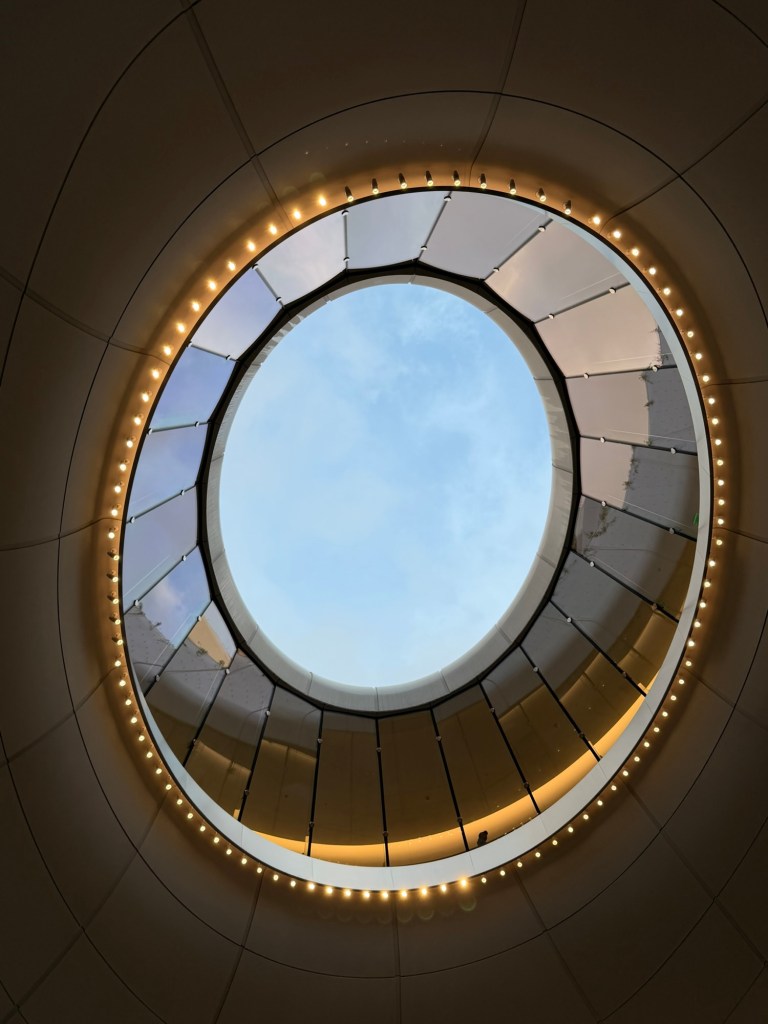
The first thing that struck me about the Lucas Museum of Narrative Art was the building itself. It looks less like a museum and more like a spaceship that has decided to land in Los Angeles. A rather elegant one, mind you, with its swooping, organic shape, smooth white exterior and the unmistakable feeling that it might take off again if you happened to visit on a windy day. Which we did.

Designed by architect Ma Yansong of MAD Architects, the building blurs the boundaries between architecture, sculpture and landscape. There are no rigid, boxy lines to speak of. Instead, it curves and floats, almost defying gravity.
And I found it particularly fitting, since the museum is dedicated not simply to fine art, but to the art of telling stories through images. Set within LA’s Exposition Park, it makes quite an entrance before you’ve even seen a single painting.
A galaxy far, far away
If you’re expecting the Star Wars section to be the highlight of the museum, curb your enthusiasm. It certainly impressive, but for me, not impressive enough.
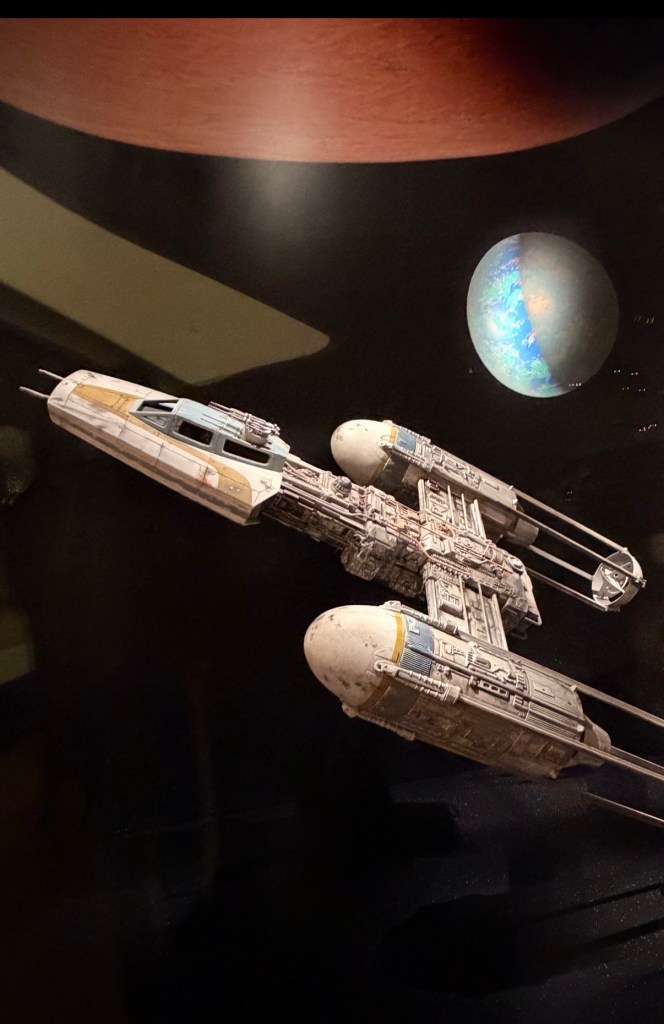
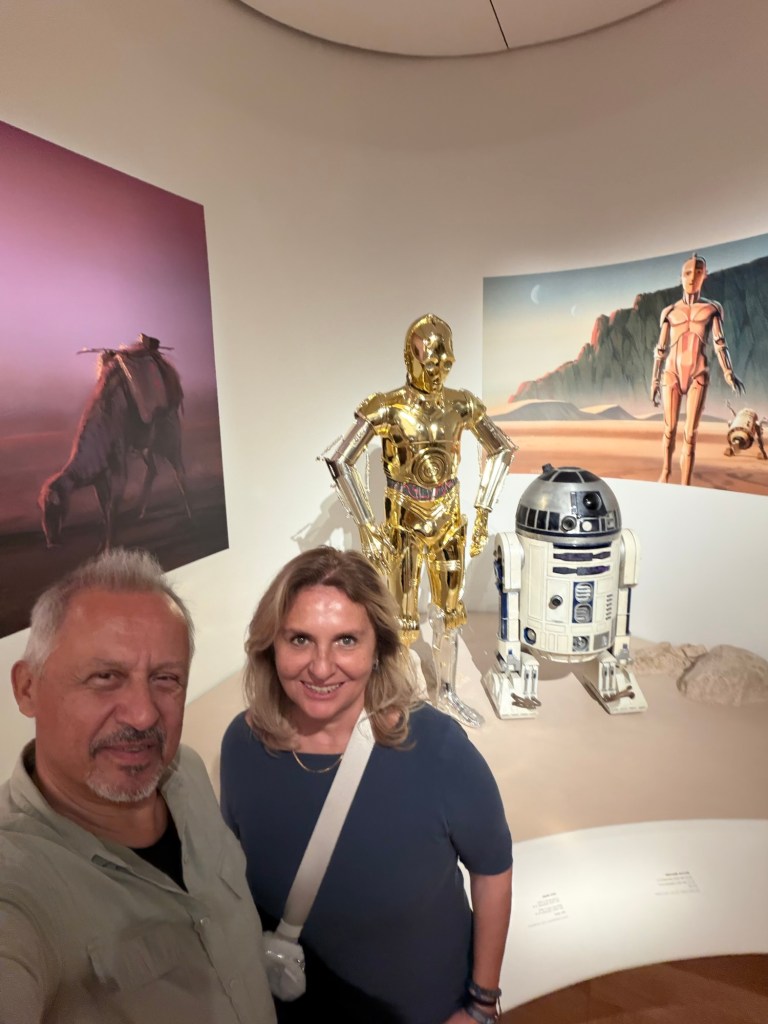
The exhibition ‘Star Wars in Motion’ focuses on the vehicles from the original six films, with designs, props, costumes and artwork showing how those fantastical machines came to life. The models of the various space vehicles are particularly fun to see up close.
It is one thing to watch a spaceship zoom across a screen; quite another to stand in front of the actual miniature model that helped create the illusion.
But it was all we did, ie stand in front of beautiful props.
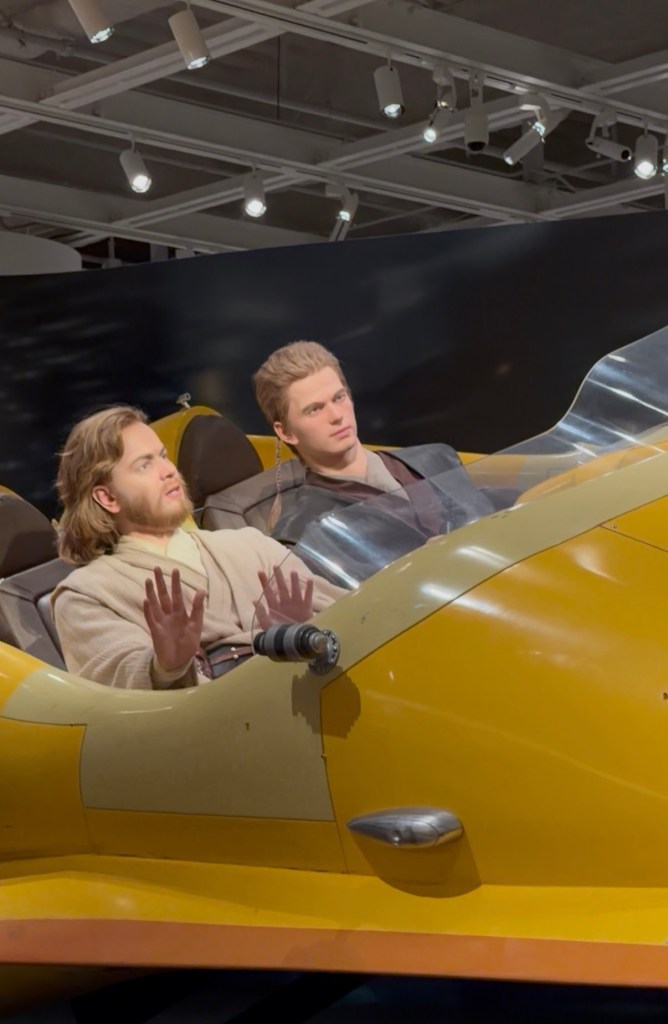
My biggest disappointment was that the whole experience wasn’t the slightest bit immersive. We walked around models and props and took some photos. And that was that. There was no music, despite the fact that it has one of the best soundtracks in the history of movie-making, no special effects or anything else that could draw the visitor into the Star Wars magic.
I would have liked to see more of the characters that made up the movies, as well as the later spin-offs and newer incarnations of the franchise. Yes, there were some life-size models of Anakin, Luke, Leia, the Robots, Darth Vader and some of the other baddies thrown around. But Han Solo, Chewbacca and even Master Yoda were nowhere to be seen.
I mean, really?
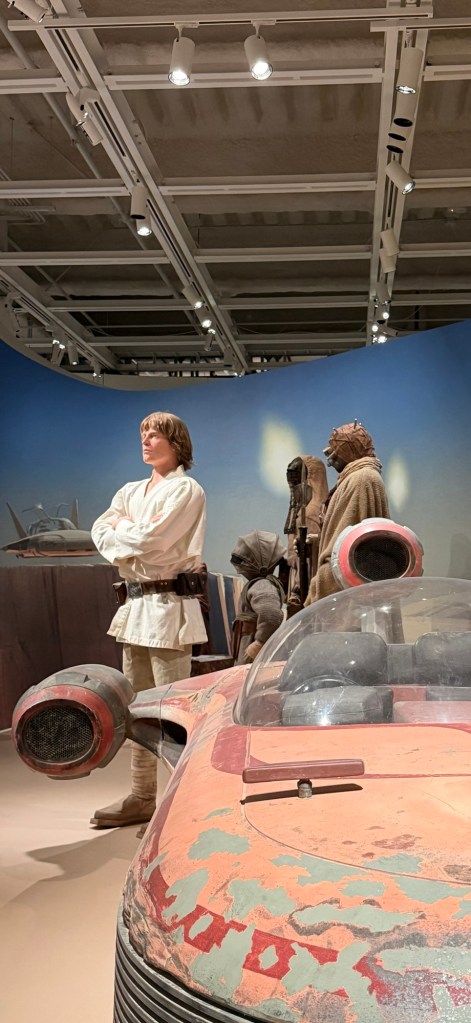
Given the richness of the material and the technology available, the way the exhibition was set up was unimaginative and, dare I say, old-fashioned.
Having said that, I found the artwork interesting. Some of the imagery and designs were created by actual NASA staff, which adds an interesting layer to the relationship between science, engineering and imagination. The line between what is scientifically conceivable and what a film designer dreams up is not always as far apart as one might think.
All in all, I came away wanting more.
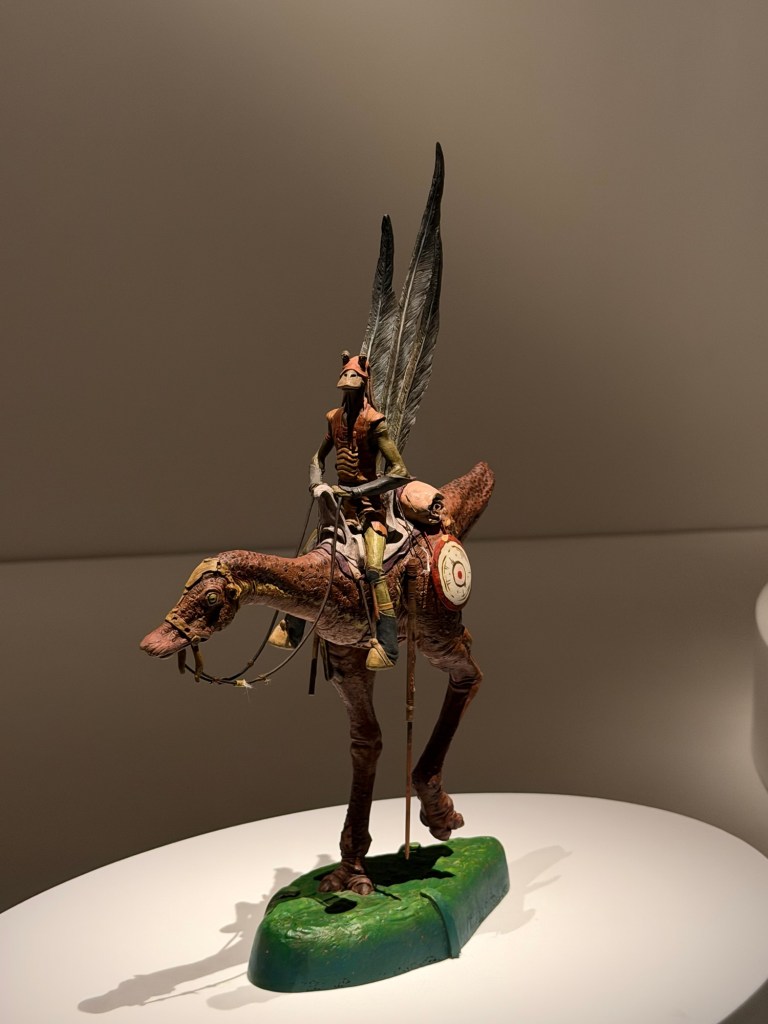
Given how much the Star Wars universe has expanded over the decades, I thought there was plenty of material to explore beyond the original movies. But the whole experience felt rather limited. Maybe it was a copyright or ownership issue with Disney.
With a little bit more imagination and today’s technology, I was prepared to be blown away.
This is, after all, George Lucas’s museum.
Sadly, it was just ‘nice’.
Fantasy, science fiction and the art of imagination
I was also looking forward to the fantasy and science-fiction galleries. After all, few genres have the power to transport us quite like these. The museum brings together artists whose work has helped visualise worlds somewhere between mythology, imagination and the improbable.
And yet, I found myself wishing for a little more.
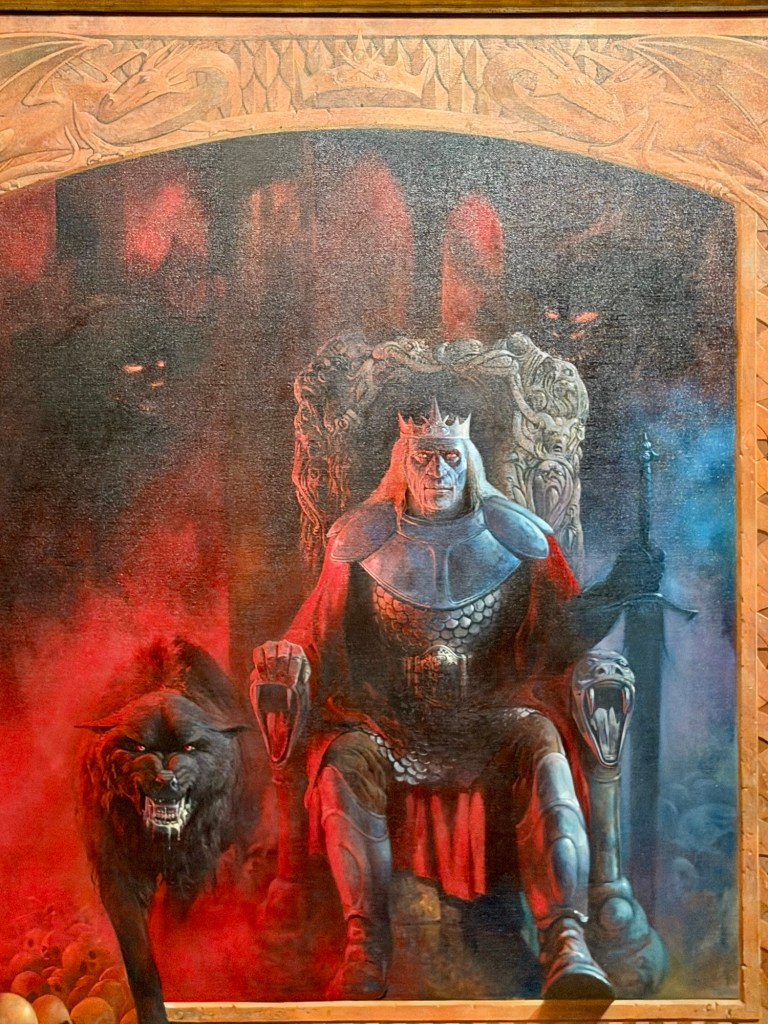
There were interesting pieces, of course. After all, visual storytelling was part of the promise. But somehow, the galleries didn’t quite deliver the sense of wonder I had anticipated. To give you an example, where was Indy for God’s sake, apart from a tiny sculpture of a boy with a whip?
I had expected to feel a little more immersed, a little more surprised, perhaps even overwhelmed by the imaginative worlds on display.
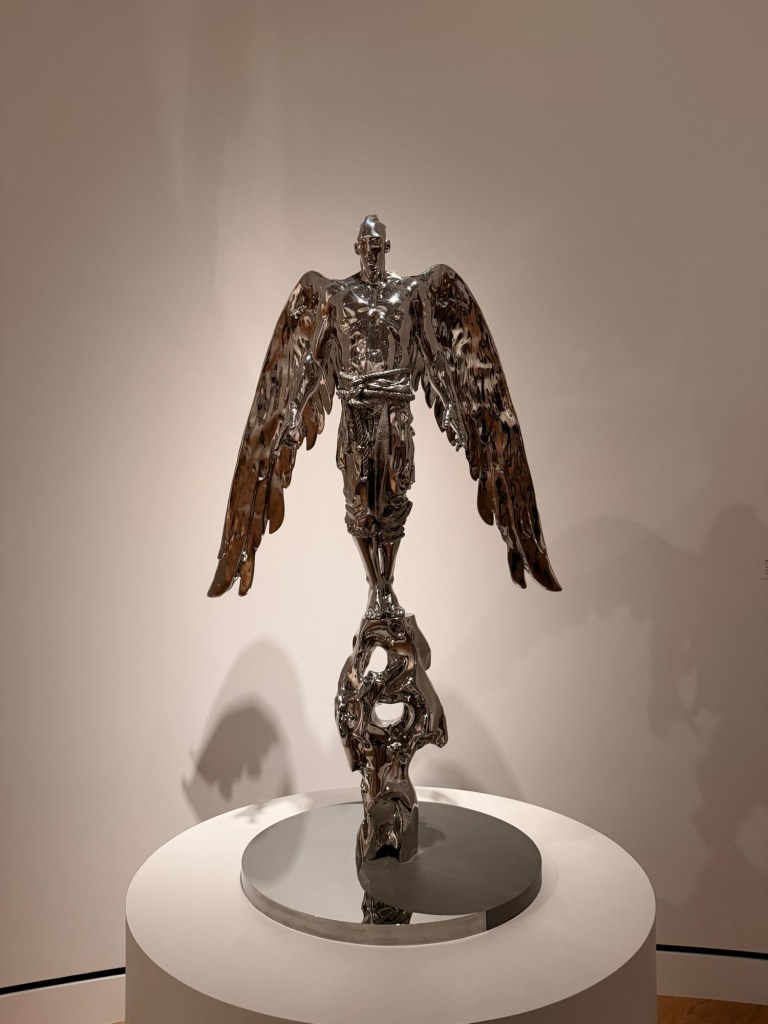
Perhaps the problem wasn’t the collection itself, but what I had imagined a collection of this scale and subject could do.
Norman Rockwell and the America we wish to remember
Surprisingly, the Norman Rockwell gallery turned out to be one of my favourite sections.
That was a good thing, really, for a major part of the museum was devoted to his works.
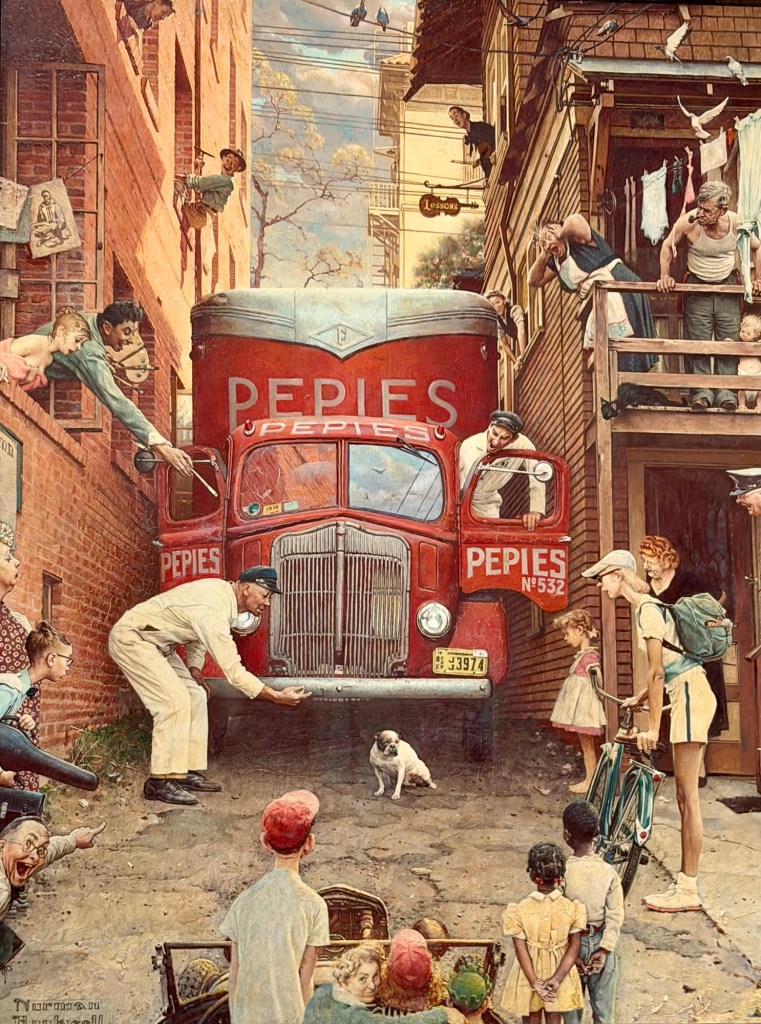
Rockwell’s paintings of an idealised mid-century American life are instantly recognisable even if you are not a fan of that kind of thing. Small-town America, family dinners, children, neighbours, ordinary people caught in ordinary moments, all turned into stories.
There really is something nostalgic about looking at these images today. They are not simply illustrations; they are part of the visual mythology of the American dream, which Hollywood successfully packaged and sold to the world from the 1950s onwards.
They tell us as much about what a society wanted to believe about itself as they do about what life was actually like.
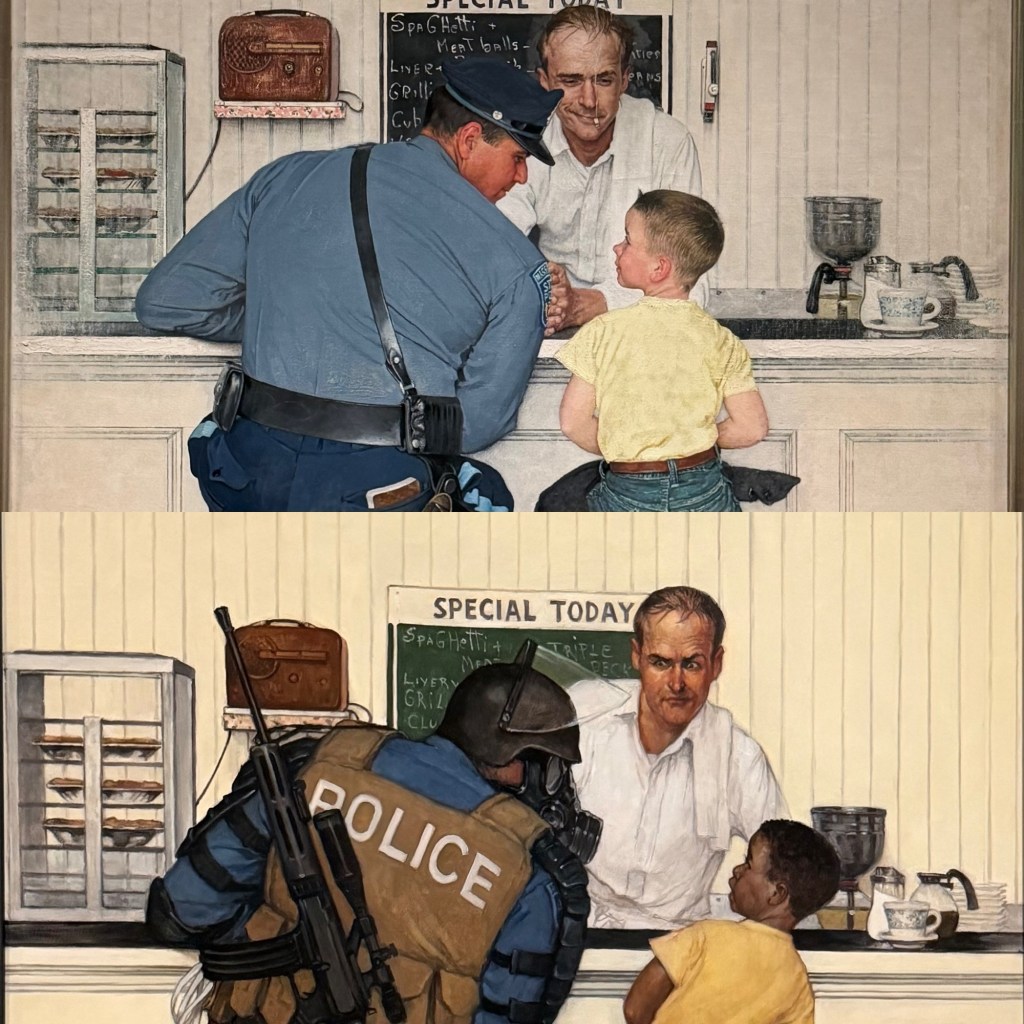
What made this section fascinating was seeing contemporary artists reinterpret, update or challenge these familiar paintings.
You can almost hear the dialogue between Rockwell’s idyllic 1950s world and another artist’s modern interpretation of the same moment.
This was one of the areas where the museum’s central idea, that images tell stories and shape how we see the world, really made sense to me.
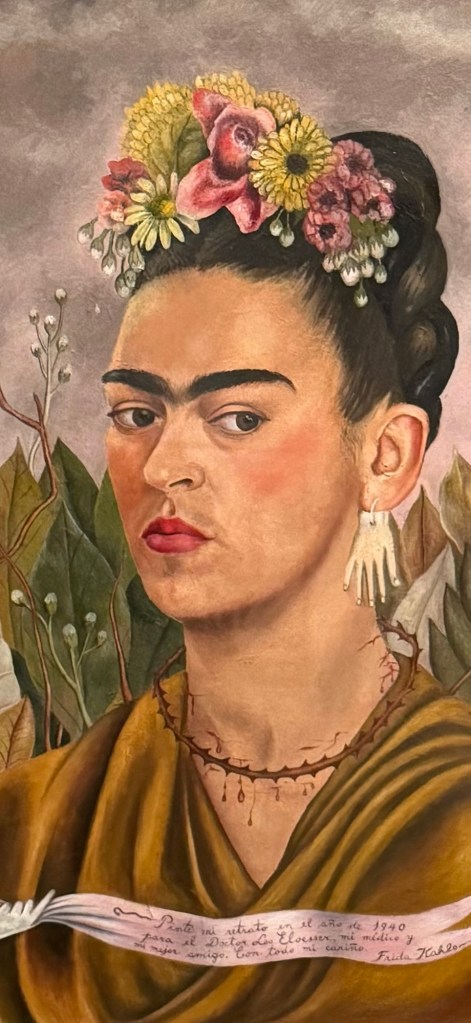
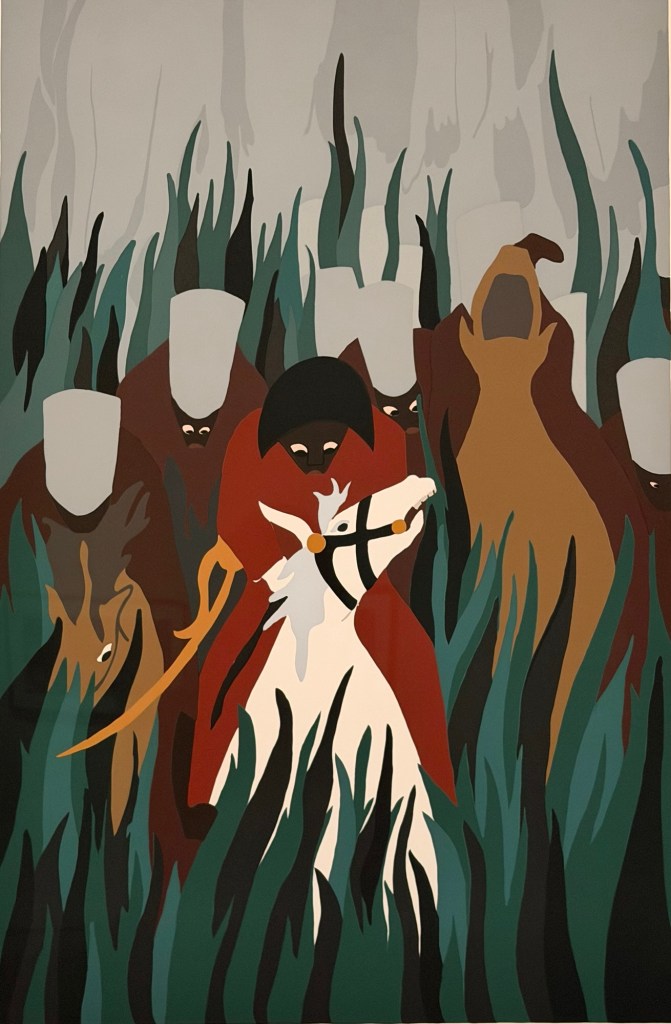
I also thoroughly enjoyed the dreamlike paintings of Maxfield Parrish, along with works by Jacob Lawrence, Diego Rivera and Frida Kahlo.
The Americas: stories that deserve to be seen
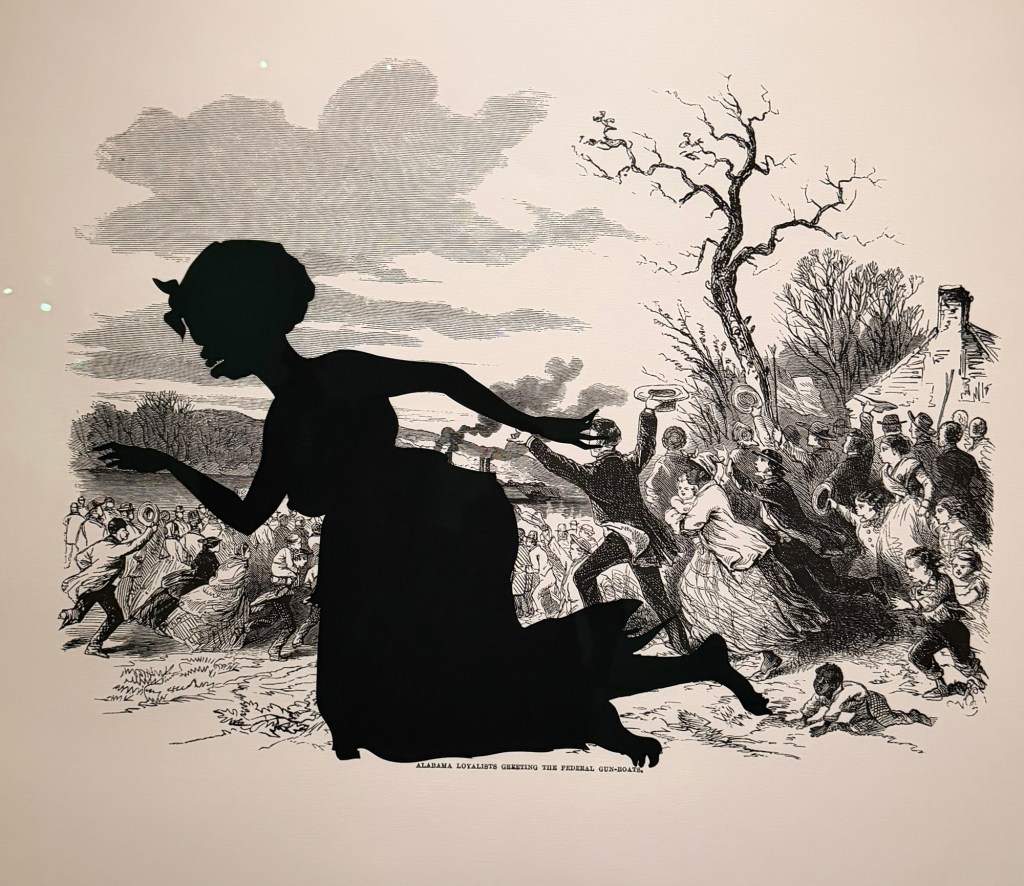
The galleries exploring the Americas, including South American narratives, Indigenous stories and the experiences and representation of Black communities, were also worth spending time in.
These works carry emotions, histories, identities, struggles, cultural memory that have often been told by the winners.
Seeing the raw emotions on canvas tells you the other side of the coin.
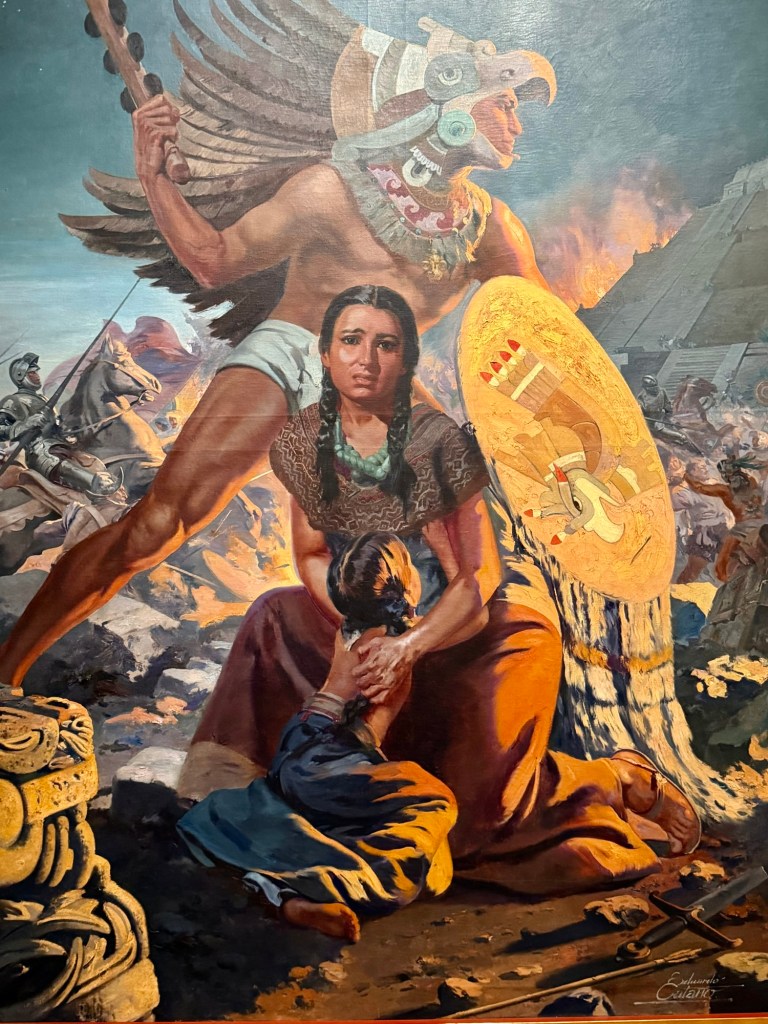
Visual storytelling isn’t just about beautiful images or entertaining narratives. It is also about who gets to tell the story in the first place.
Manga, comics and graphic storytelling
Considering the museum’s collection of comics and graphic storytelling, I expected this section to be more substantial. It wasn’t particularly rich in terms of what was on display during my visit, nor did it hold my attention as much as I had hoped.
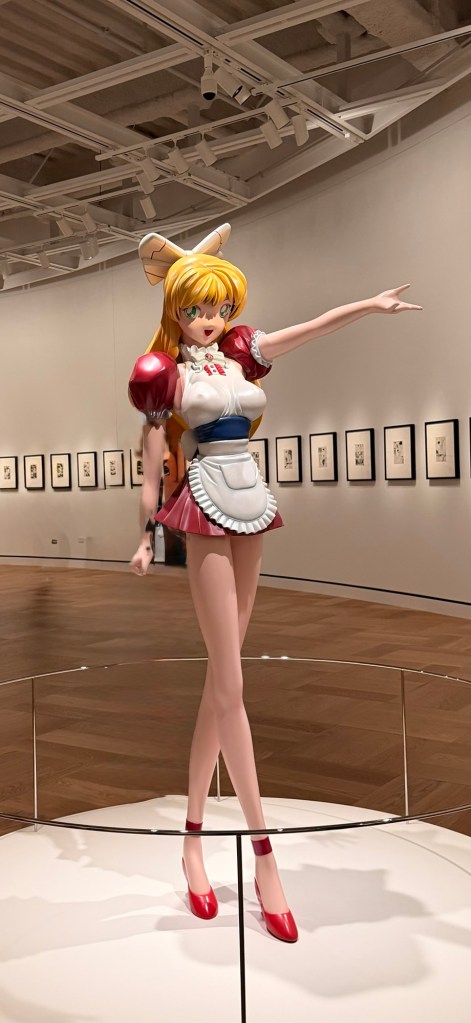
Perhaps the collection will evolve through future exhibitions. Anyway, this was one of the emptiest galeries of the whole museum.
The gardens: a good reason to slow down
The gardens, on the other hand, were a pleasant surprise.
Designed by Mia Lehrer and Studio-MLA, the landscape surrounding the museum is beautiful, with paths, open spaces, trees, meadows and places to simply sit and enjoy the surroundings. The building seems to float above the landscape, and the gardens soften its futuristic presence considerably.
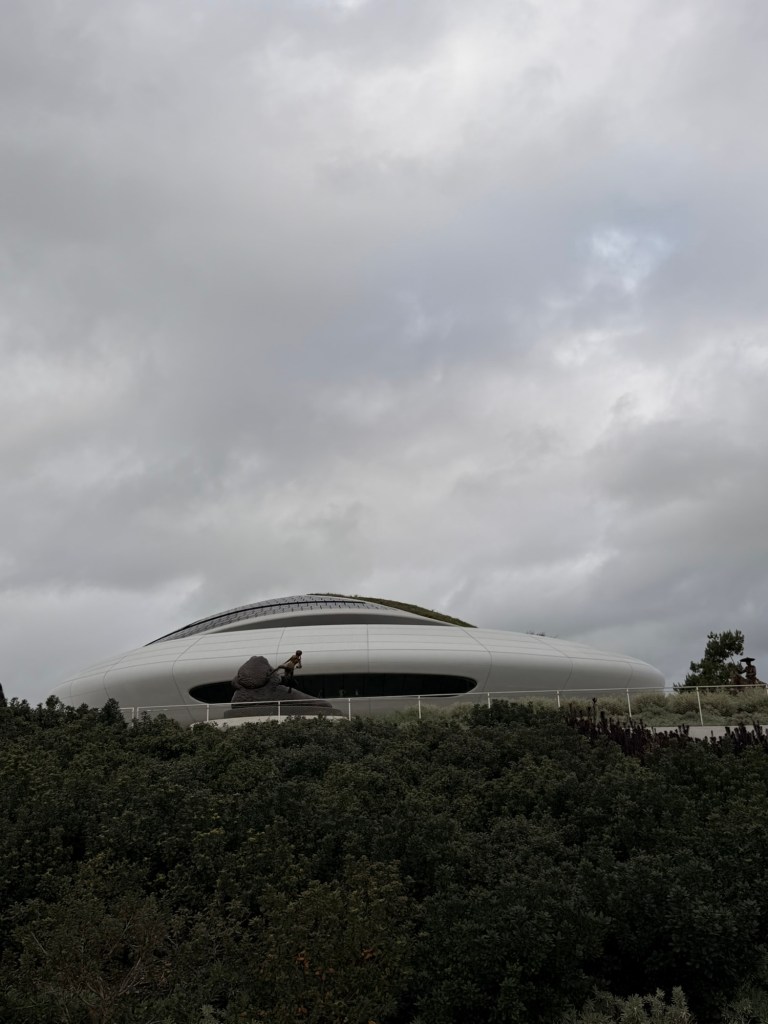
After several hours of looking at images, stories, characters and imagined worlds, being outdoors, walking around and doing absolutely nothing in particular felt rather relaxing.
Food, or the need for a Plan B
The food court was probably the least impressive part of the visit. It was crowded, noisy and the food options felt very much in the fast-food category.
The Skywalker Café , the only decent option was apparently fully booked for months, which didn’t exactly help matters. I tried to make a reservation the minute I bought the tickets, and the only available table was in three months.
A museum of this scale, designed to be a destination in itself, could certainly benefit from a few more genuinely good dining options. Especially when you have spent half the day wandering around and your brain, feet and stomach are all demanding a break.
So, is it worth visiting?
Definetely. But I would go with adjusted expectations.
The Lucas Museum of Narrative Art is an ambitious project, and the building alone is worth seeing.
One of the things I liked about the museum is that it brings together art you wouldn’t normally find under the same roof, from illustration and comics to fantasy and more traditional paintings.
Perhaps that’s the curious thing about a museum devoted to narrative art. It promises stories, and stories are deeply personal. What captures one person’s imagination may leave another looking for the next gallery.
I went expecting a little more magic. I found some, certainly, but not quite enough to make the entire experience as extraordinary as the spaceship that houses it.
And yet, I would still recommend going. Take your time, explore the gardens, look beyond the obvious attractions, and let the art surprise you.
Just don’t expect the spaceship to take you to a galaxy far, far away; and you’ll be fine.


Would you believe George originally only wanted to include a couple of pieces of Star Wars memorabilia in the exhibits?
His wife managed to convince him that there would be riots if he didn’t include more.
So, consider yourself lucky! 🙂
Best, -M
LikeLike
Really ? Didn’t know that!
Btw müzecilik at US is anchored at 80’s.
LikeLike