
Every time I sail to Knidos, I feel giddy with anticipation. Knidos is situated at the southwestern tip of Türkiye, where the mighty Mediterranean meets her capricious daughter, the Aegean.
The approach itself — be it from Bodrum in the north or Datça in the east — is more often than not long and windy, but when you drop anchor in the clear blue waters of the South Harbour, you are surrounded by a place of great beauty and immense history, with some interesting stories to tell.
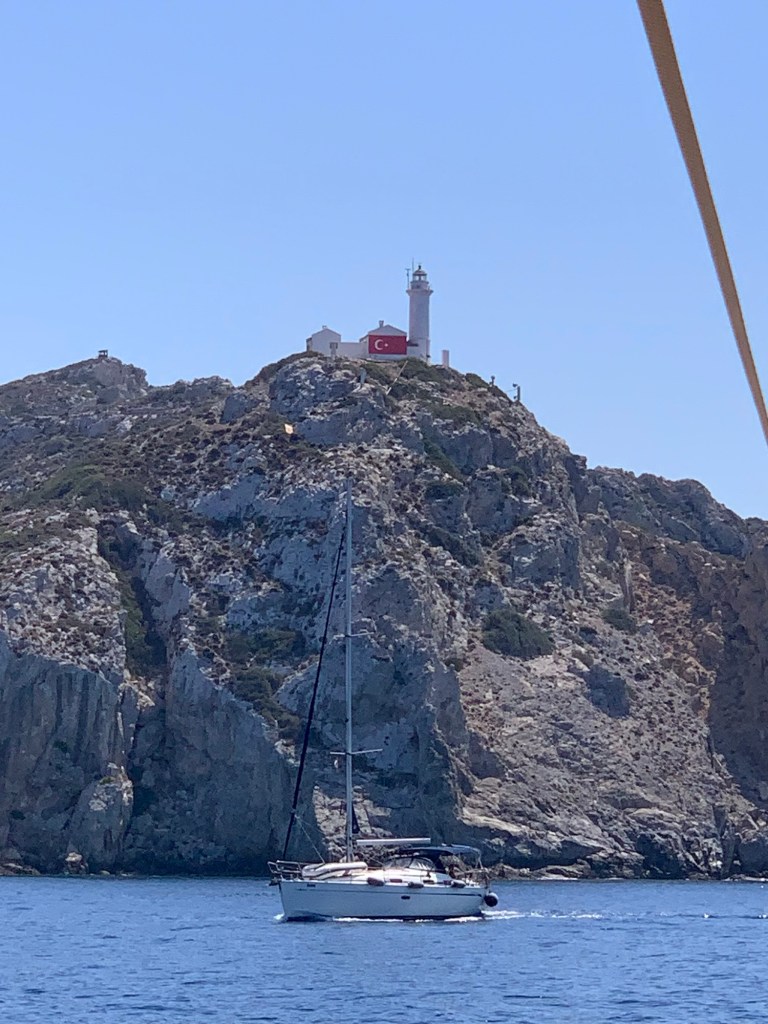
There is a lighthouse built on top of the hills, looking out over the Dodecanese Islands and the open sea.
It is also the perfect place to watch the sunset.
The anchorage is both beautiful and safe; you anchor at 5 metres, and the sea is so clear that you can see exactly where you drop your anchor. Then you jump into the water, which is always cool and refreshing. You realise that you are in one of the most beautiful and special anchorages in the world.
At the isthmus that connects the South and North Harbours, there’s a small T-shaped jetty and a small restaurant serving fresh fish and cold beer.
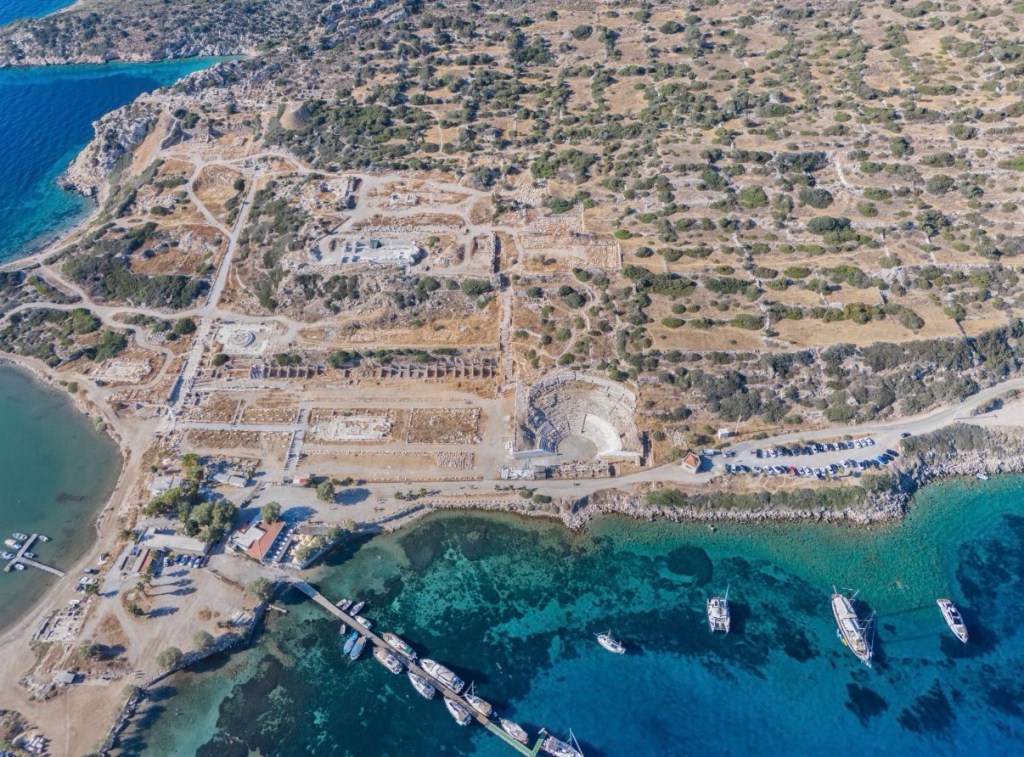
Just a few metres from the restaurant is the ancient city of Knidos, a vast city of white marble and sandstone, with temples, piers, buildings, roads and a theatre still very visible after almost 2,300 years. The marble used in the city was of such high quality that local lore says some of it was later shipped to İstanbul to be used in the construction of Dolmabahçe Palace, the most exquisite palace of the Ottoman era.
Knidos was built around two natural harbours: one for warships in the north and the other for merchant ships in the south.
As part of the Dorian Hexapolis, the people of Knidos became extremely wealthy through trade. As their wealth grew, so did their city. The people showed their appreciation to the gods by building temples and commissioning statues. The city became a pilgrimage site thanks to its temples and sanctuaries, which made it richer and more famous.
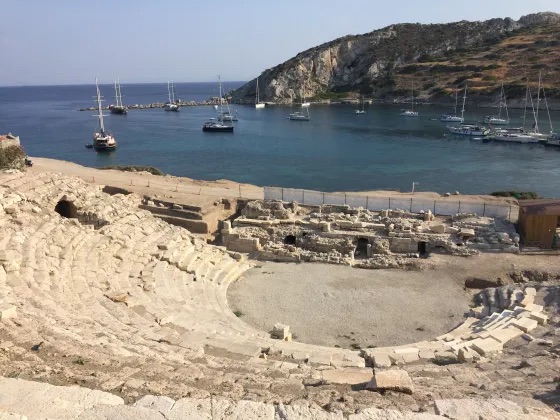
Being a harbour city, its most prominent gods included Poseidon, who ruled the seas, and Apollo, the god of prophecy, music and healing.
It was also home to a famous sanctuary of Aphrodite. The goddess was worshipped here under the name Aphrodite Euploia, or “Aphrodite of the Fair Voyage,” in her capacity as a protector of sailors.
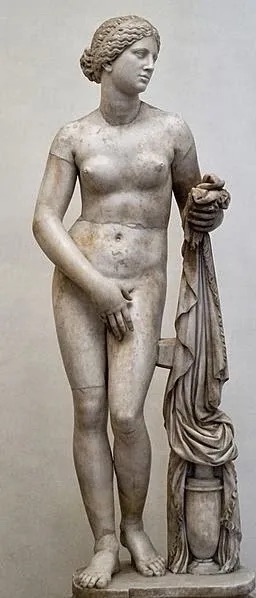
The sanctuary was famous for housing the Aphrodite of Knidos, the celebrated statue of the goddess depicted completely nude, a revolution in itself. The people of Knidos valued the statue so much that, according to ancient lore, they refused offers to sell it even when their fortunes turned for the worse.
The sculptor was Praxiteles of Athens, one of the most revered sculptors of antiquity. The identity of his model is another mystery. Ancient tradition linked the model to Phryne, the famous courtesan who was a mistress of Praxiteles and celebrated for her beauty.
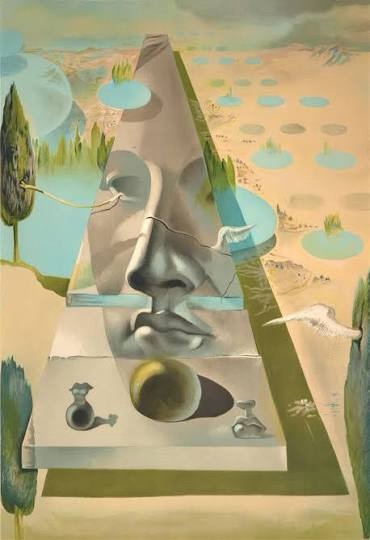
The statue itself has never been recovered, but its image survived through Roman copies, coins, ancient descriptions and generations of later artists, from Dali to Halikarnas Balıkçısı.
Another famous statue is the Lion of Knidos, a colossal marble statue discovered in early 19th cc by English archeologists. They were conducting one of the first surveys of the area, by the grace of Sultan Abdülmecid, who was trying to foster close ties with the western powers, especially United Kingdom and France. Unfortunately for later generations, that meant many archeological treasures were gifted to whoever was helping him to achieve his imperial goals.
The lion had crowned an 18-metre-high funerary monument, with commanding views over the sea, and may once have acted as a navigation aid for passing sailors. The monument may have been destroyed in an earthquake, as the statue was found facedown, lying some distance from the tomb. The six-ton Lion of Knidos was transported to the UK.
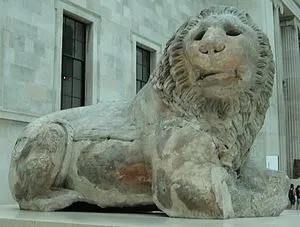
I saw it at the British Museum a few years ago, together with another important work of art, the Demeter of Knidos, excavated at the same time.
Although the British Museum is one of my favourite museums, and the statues are displayed beautifully, I still prefer to see them where they belong, under the Mediterranean sun, facing the azure waters where the Med meets the Aegean Sea.
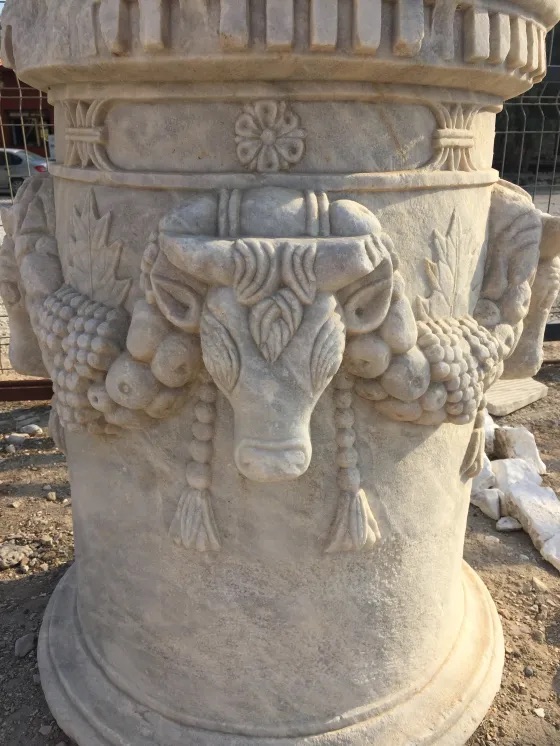
When you’re next in the area, sail — or drive — to this paradise, take a long walk around the ruins, dive into the cool waters, enjoy an incredible sunset and let your mind wander. You’ll soon feel the petty problems of the day disappear and you’ll become part of something much more important.
The magnificent and immortal land that nurtured so many civilisations, which we call Anadolu.

