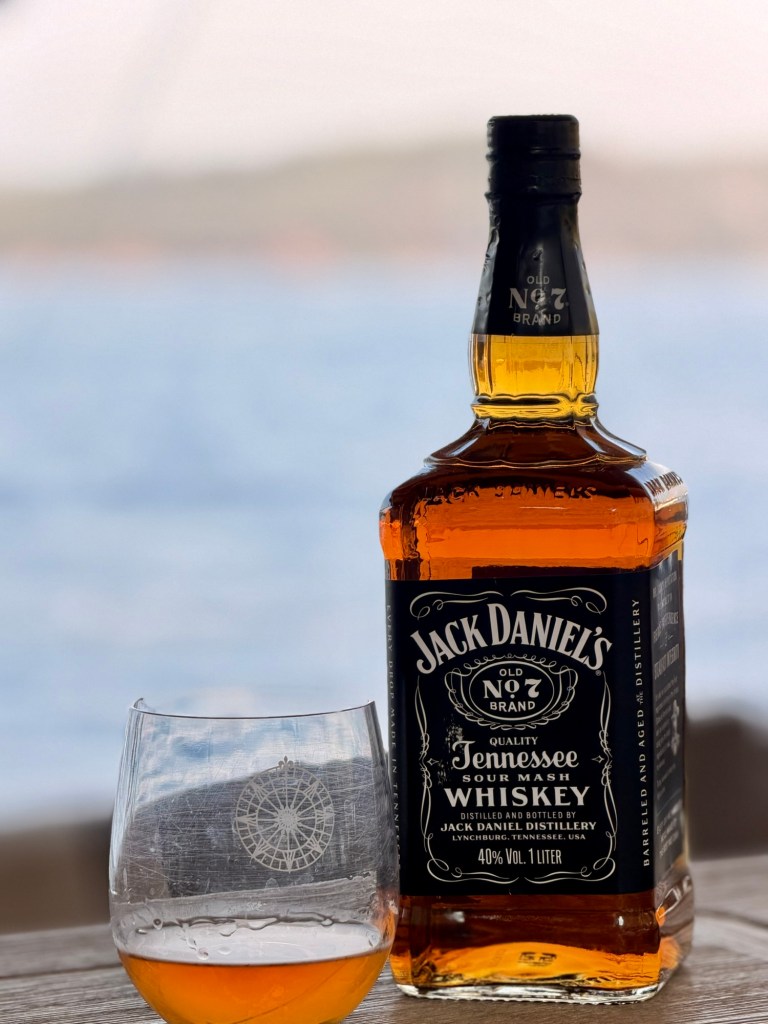
I’ve always liked whisky. My father was a whisky enthusiast and collector. Whenever he bought a particularly good bottle, the shop would often throw in a few miniature bottles as gifts. I started trying them in my late teens and even used them when baking cakes for my mother’s tea parties.
Yes, I know. But my cakes were extremely popular.
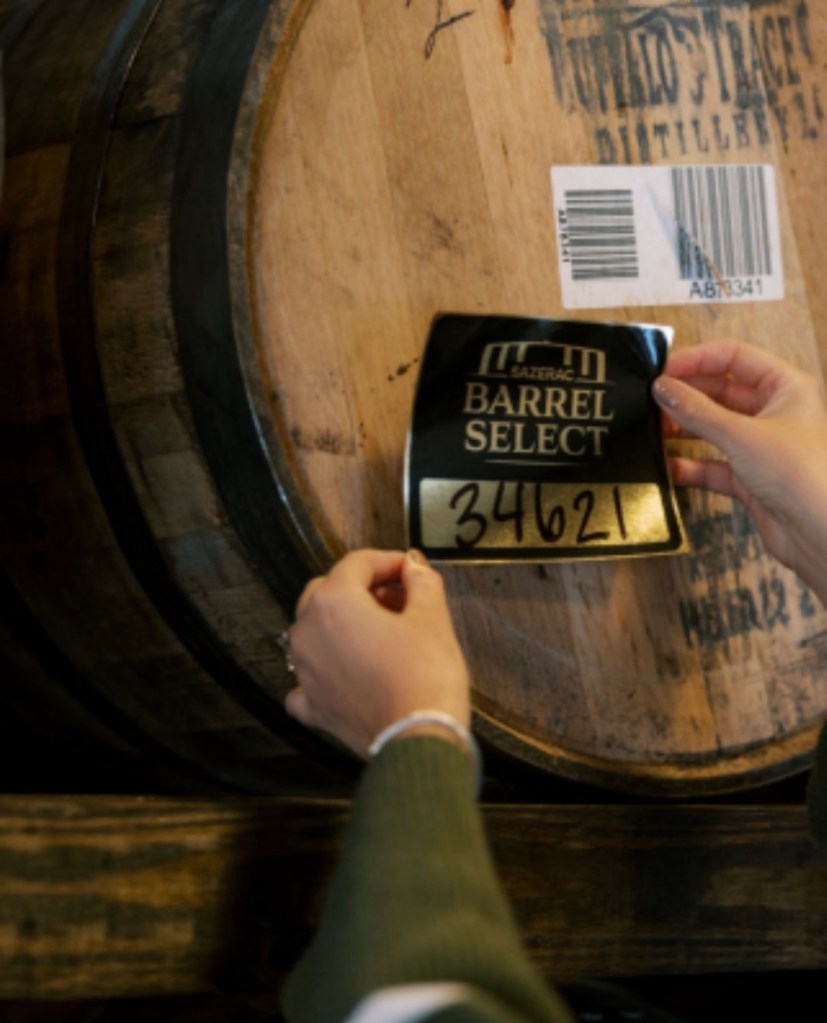
Later, I visited several distilleries in Scotland and Ireland and learned enough to know the differences between a Speyside and an Islay. And, when I’m in the mood for something softer, I usually order Jack Daniel’s and enjoy its rich vanilla notes.
That was the extent of my relationship with bourbon until a few years ago.
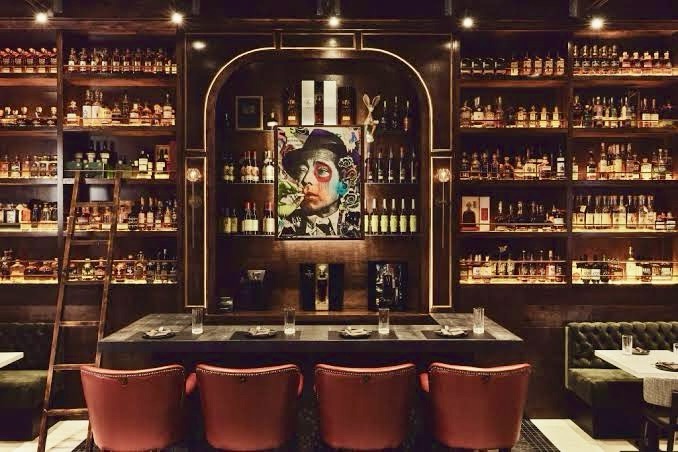
Then I began noticing bourbon everywhere. I read in a magazine that , between large conglomerates and craft distilleries, there’re around 1500 brands of bourbon produced in Unites States. I also discovered that our favourite “bourbon,” Jack Daniel’s, wasn’t technically a bourbon at all. It’s Tennessee whiskey.
So, while planning a trip to the United States, I decided to set aside a few days for a bourbon adventure. I knew we wouldn’t have time for the full Bourbon Trail, but even a few days could give us a good introduction.
After all, they say that all bourbon is whiskey, but not all whiskey is bourbon.
I like thinking Scotch and bourbon as two cousins with different personalities. Scotch is made from a variety of grains and is often sharper, maltier and sometimes smoky. Bourbon, on the other hand, is produced primarily from corn, making it sweeter, with notes of vanilla, caramel and toasted oak.
One sip is usually enough to tell which side of the Atlantic it comes from.
But for me, the biggest difference wasn’t the taste. It was the people giving the tours.
In the US, the guides are engaging and folksy. Yet by the end of the visit, you could almost feel them mentally checking their watches. After all, stories had been told, questions were answered, samples sampled, and it was time for the group to make its way to the gift shop.
On my side of the Atlantic, things tend to move a little more slowly. The guides are often more formal, focusing on facts and figures rather than local lore. But there’s usually time for another anecdote or, for the right guests, an extra sip of something that isn’t quite on the itinerary.
And, those little unscripted moments often become the ones you remember most.
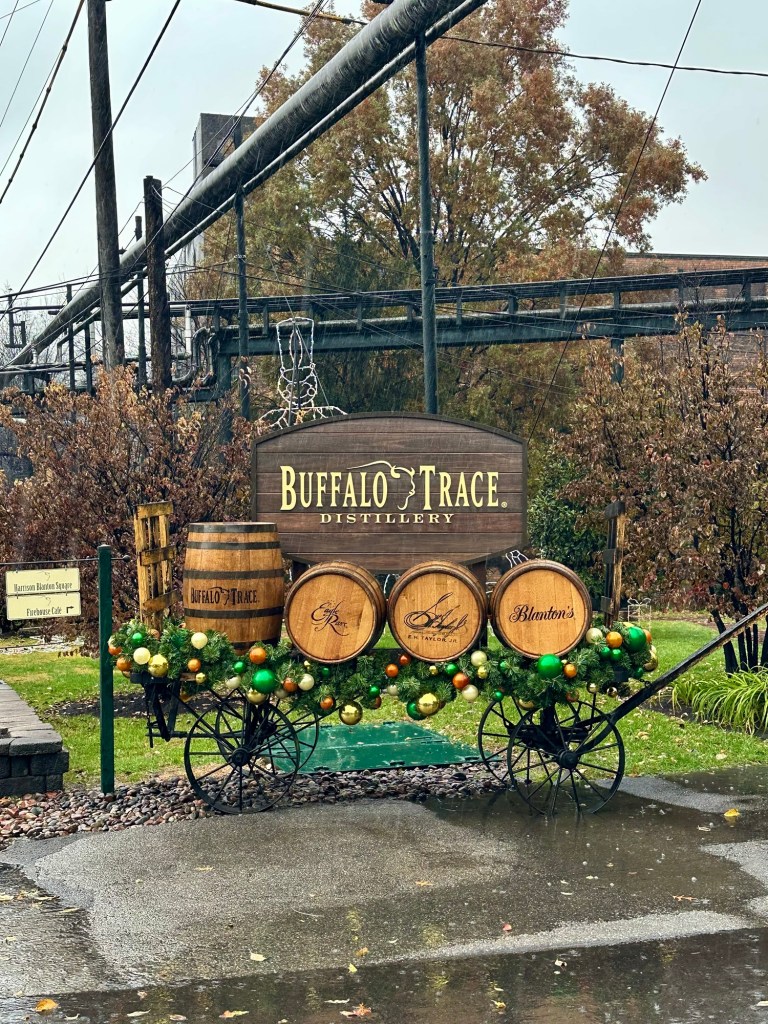
Frankfort and Buffalo Trace
If you’re only visiting one distillery, everyone will tell you to make it Buffalo Trace. And they’re probably right.
Buffalo Trace is considered the oldest continuously operating distillery in the United States. The site has been producing whiskey since the late 1700s, although the current distillery traces its origins to 1812.
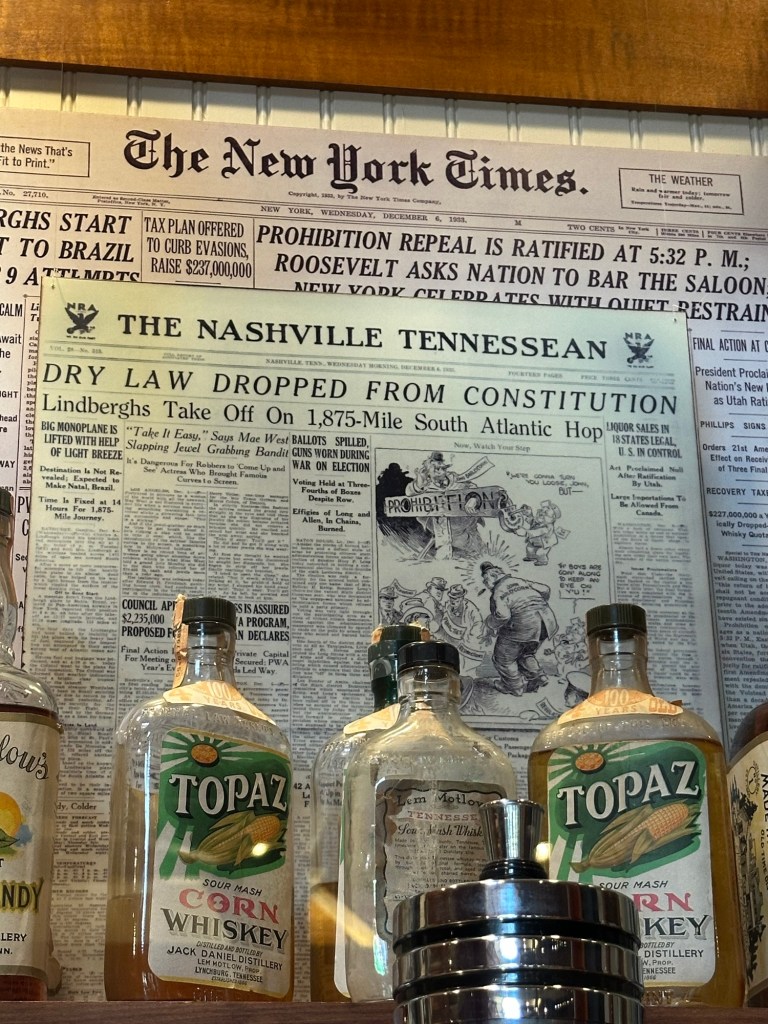
One of its biggest claims to fame is that it continued producing whiskey during Prohibition under a government licence to make medicinal whiskey.
Buffalo Trace is enormous, producing dozens of bourbons, whiskies and liqueurs, yet it somehow feels welcoming with its old brick buildings and beautiful gardens.
They offer several different tours, and one of the nicest surprises is that the tours are completely free. The only catch is that reservations are essential, often weeks in advance.
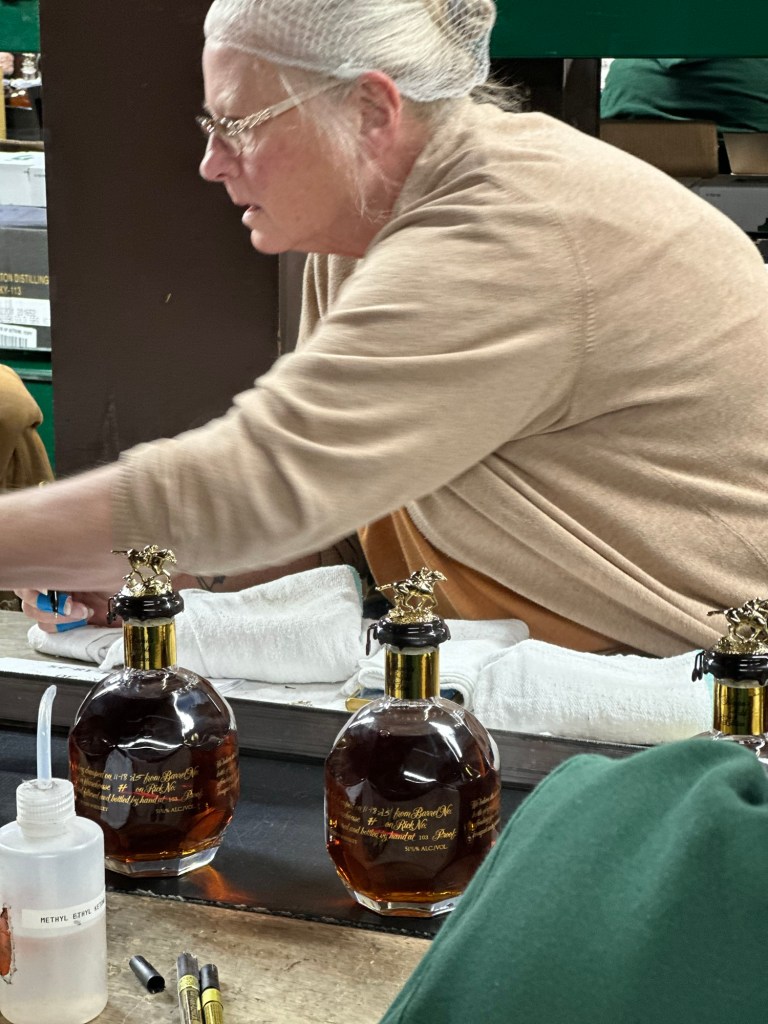
One thing I discovered while planning the trip was Buffalo Trace’s daily bottle release. Every morning, enthusiasts line up before opening time for the chance to buy one or two special bottles at distillery prices. Which bourbons will be available is announced the previous day, and some people plan their entire itinerary around it. In other words, it’s a big deal.
Unfortunately, it also required waking up before sunrise. Convincing Erbil to do that on holiday seemed impossible, so I decided to keep both my sleep and my marriage intact.
Instead we joined The Trace Tour, which turned out to be an excellent introduction to the history of bourbon and the production process. Along the way we tasted Buffalo Trace, Eagle Rare, Stagg and Sazerac Rye.
Apparently, I’m more of an Eagle Rare girl.
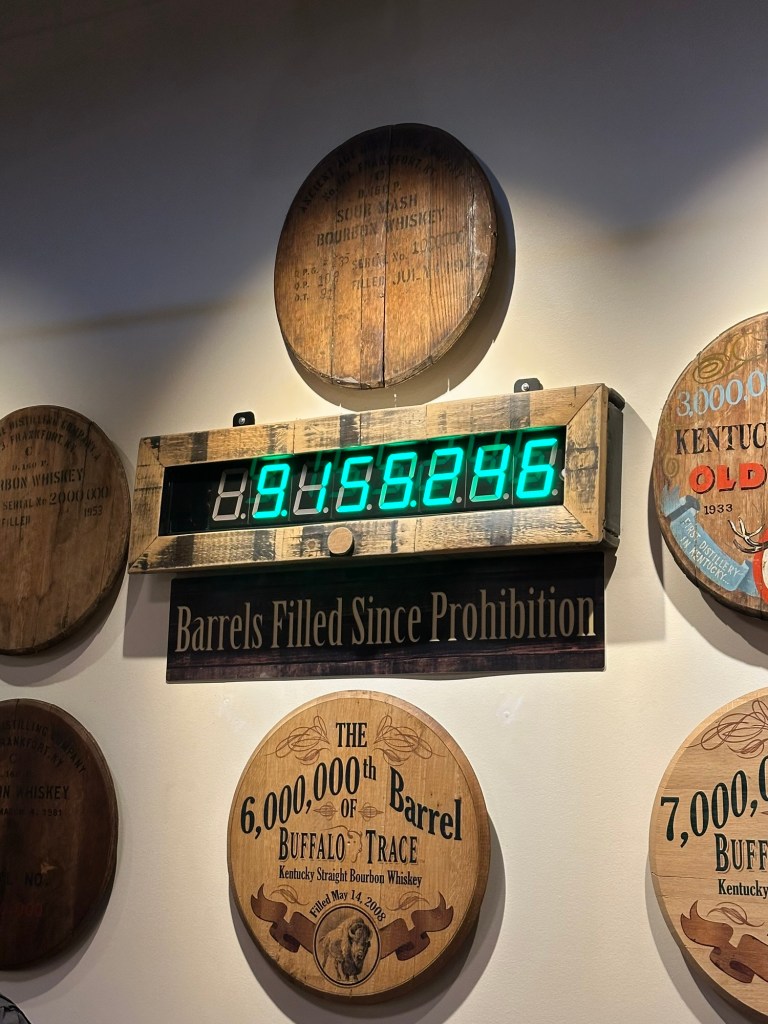
One unexpected bonus of the tour was learning the language of bourbon. Mash bills, angel’s share, char levels, bottled-in-bond… Suddenly conversations at tasting bars started making a lot more sense.
Afterwards, we explored Frankfort. I knew it was the capital of Kentucky. What I didn’t know was how graceful the town would be. Beautiful old stone houses, streets lined with elm and chestnut trees, and the mighty Kentucky River winding through the centre.
It was one of those towns that grows on you almost immediately.
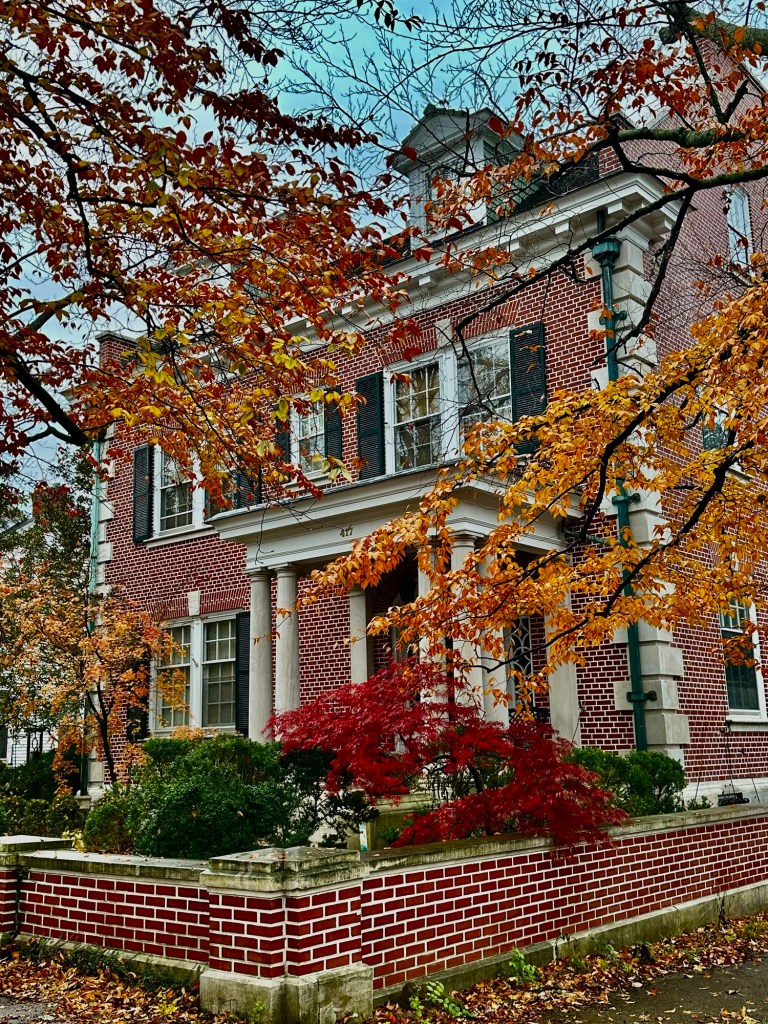
We found a small restaurant by the river and enjoyed a long lunch, accompanied by a couple of excellent bourbon cocktails.
Later, we continued to Louisville, home of the Kentucky Derby.
For first time visitors, it’s pronounced “Louavull,” not “Louis-ville” , thank you very much.
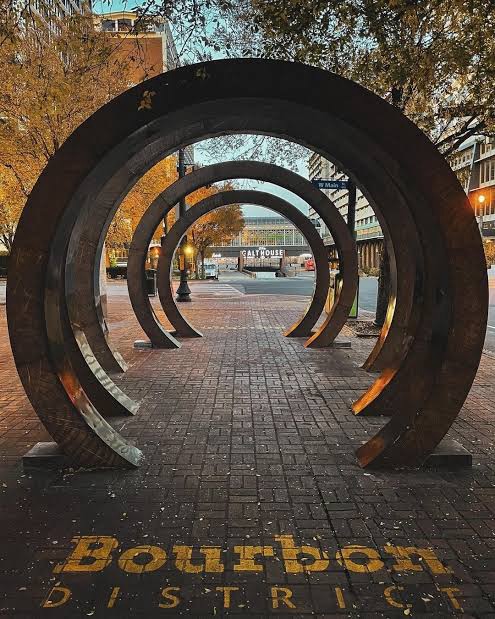
Although it’s a large, modern city, we found the Bourbon District surprisingly charming. Along Whiskey Row you’ll find historic producers, newer boutique distilleries, tasting rooms and cocktail bars, all within walking distance. Rabbit Hole and Old Forester were among our favourites, but honestly, simply moving from one tasting room to the next is half the fun.
Plus, it’s the place to try the ‘Mint Julep’, the official cocktail of the Kentucky Derby.
Another must-visit is Woodford Reserve, which now happens to produce my favourite bourbon.
If Buffalo Trace feels historic and bustling, Woodford Reserve is elegant and cool.
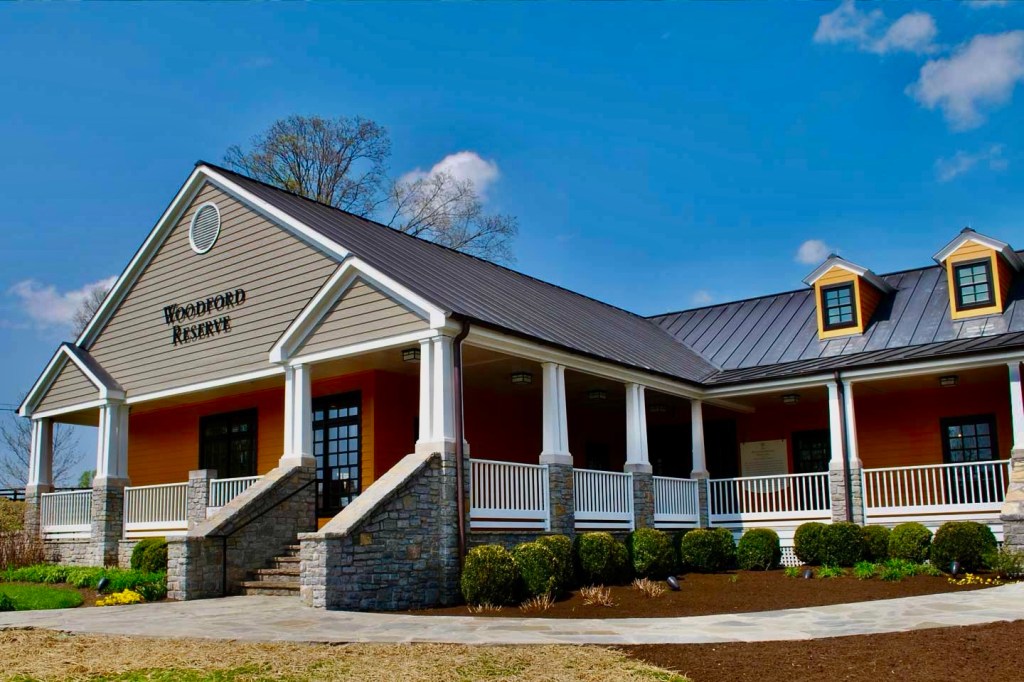
It’s a little off the main route, surrounded by Kentucky’s famous horse farms, white stone fences and rolling hills. The drive alone is worth making, and when you reach the main building with its limestone walls, plush armchairs and fireplaces, you simply want to find a corner and relax .
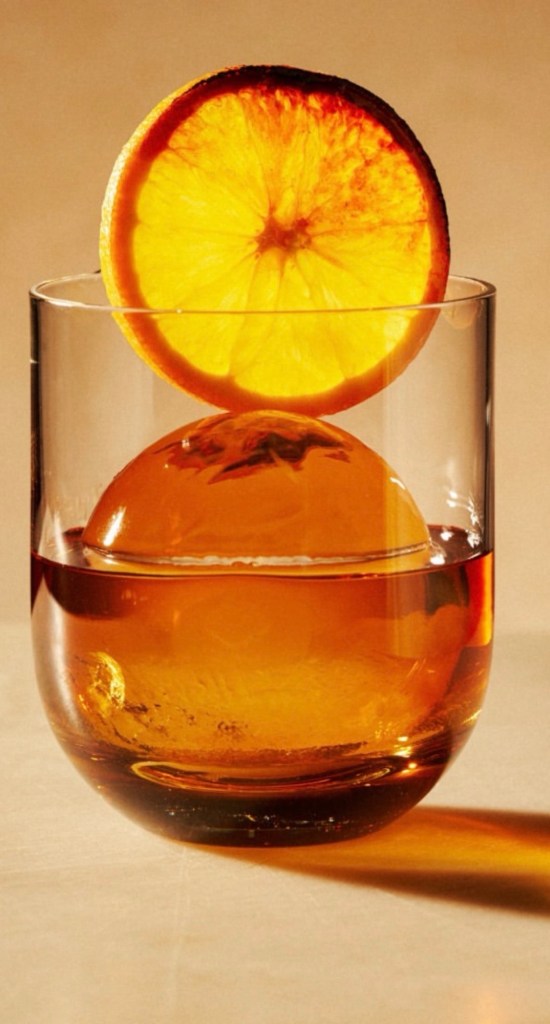
Rather than taking another distillery tour, we signed up for their Mixology Class, where we learned to prepare six different versions of the Old Fashioned. Along the way, we also discovered the history of what is arguably America’s first true cocktail. Legend has it that in the late 1800s, a creative bartender in Louisville mixed it for a guest who wanted his bourbon with a twist.
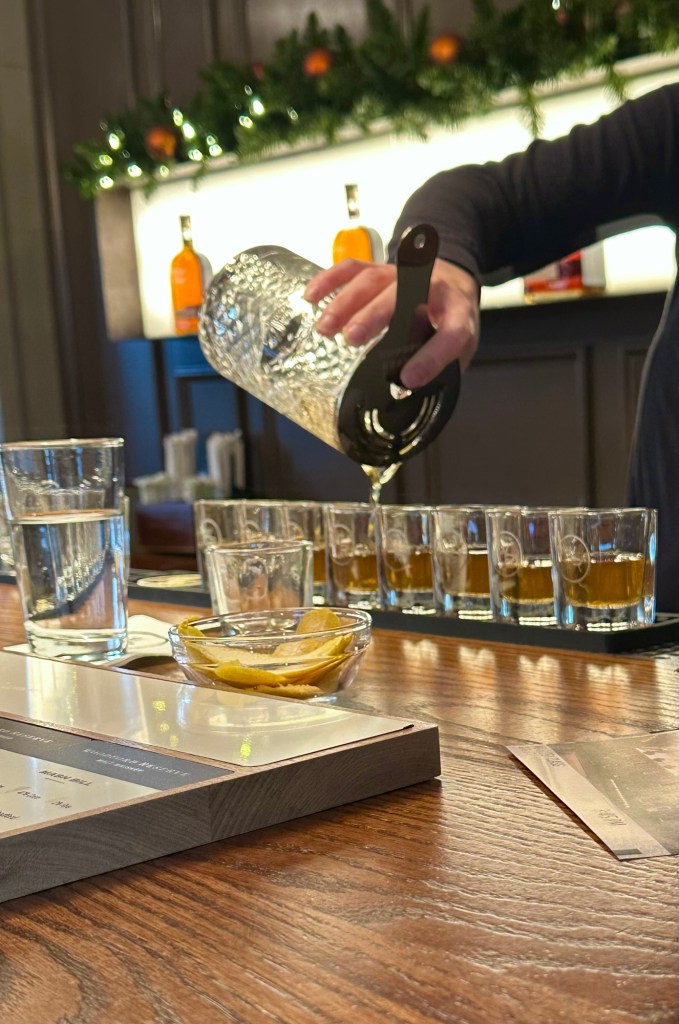
Mixology was one of those activities that was both informative and relaxed. And yes, after six Old Fashioneds, everything seemed a little more chill.
Their website is a wonderful source for various bourbon cocktails. Just sayin’.
On to Tennessee
Crossing into Tennessee, the scenery changed almost immediately.
Gone were Kentucky’s horse farms and rolling green pastures. Instead, we drove along meadows, willow-lined creeks and weathered wooden houses with little front porches. Many looked slightly worn, yet somehow perfectly at home in the landscape. It felt like driving through the set of an old American movie.
Our destination was Jack Daniel’s in Lynchburg, Erbil’s favourite.
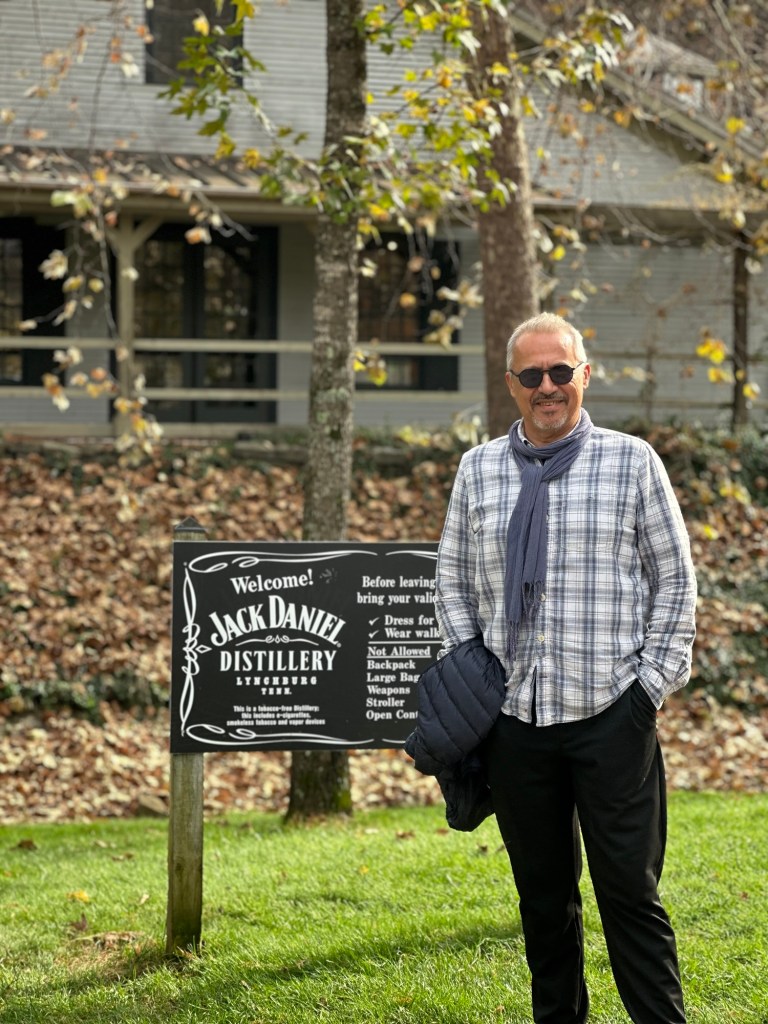
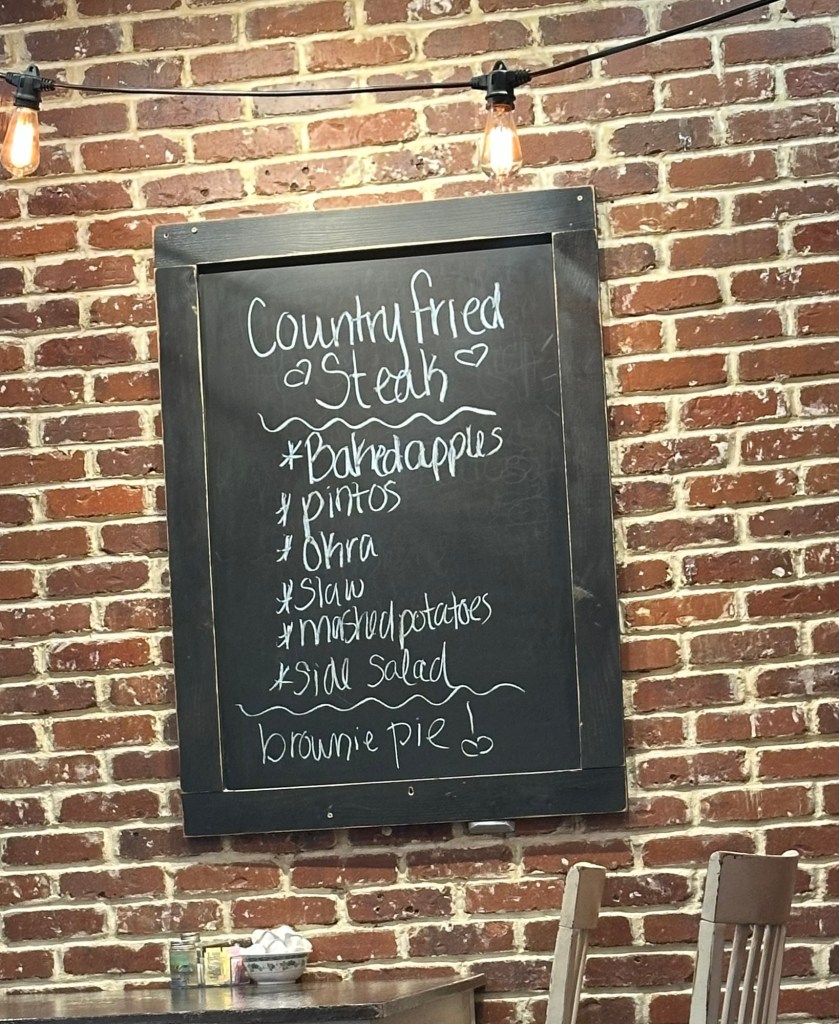
On the way, we stopped for coffee in Shelbyville and somehow ended up having delicious Philly cheese steak sandwiches and brownies. Tennessee was growing on us.
Lynchburg itself was one of the biggest surprises of the trip. Tiny, beautifully kept and full of Southern charm, it’s well worth exploring before or after your distillery tour.
In fact, the whole town seems to revolve around the distillery, with many locals working there in one capacity or another.
Miss Mary Bobo’s Restaurant is only a few minutes’ walk from the Jack Daniel’s Visitor Center if you’re feeling peckish.
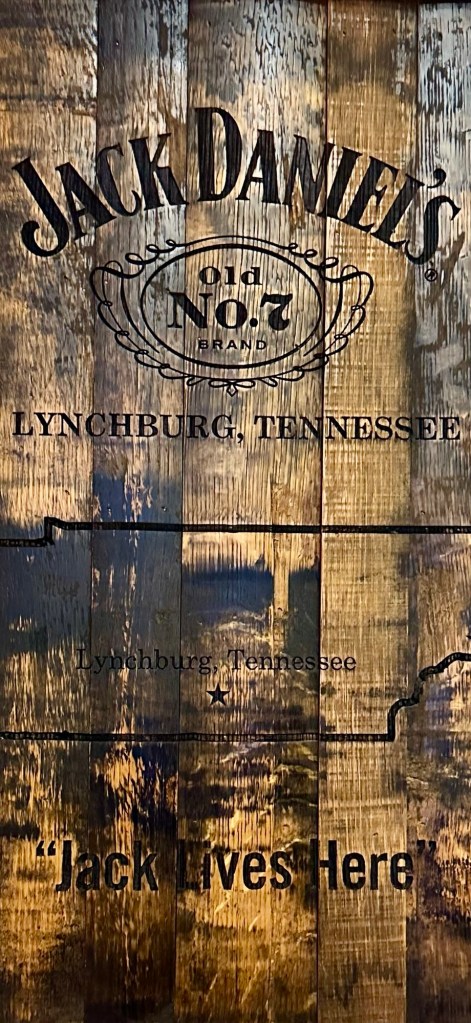
If visiting Buffalo Trace was informative and Woodford Reserve elegant, touring Jack Daniel’s was simply fun. Half whiskey-making, half stories about the man himself.
Jack Daniel was one of those people whose real life is almost as legendary as the brand that bears his name.
Orphaned at a young age, he eventually found work with a preacher and distiller. There he learned whiskey making from Nathan “Nearest” Green, an enslaved Black distiller who is now widely recognised as Jack’s mentor and one of the founders of modern Tennessee whiskey.
From that day on, there has always been a member of Nearest’s family working at the distillery.
He was tiny, impeccably dressed and something of a dandy. According to local legend, he also had quite a reputation with the ladies. Despite that, he never married and eventually left the company to his nephew.
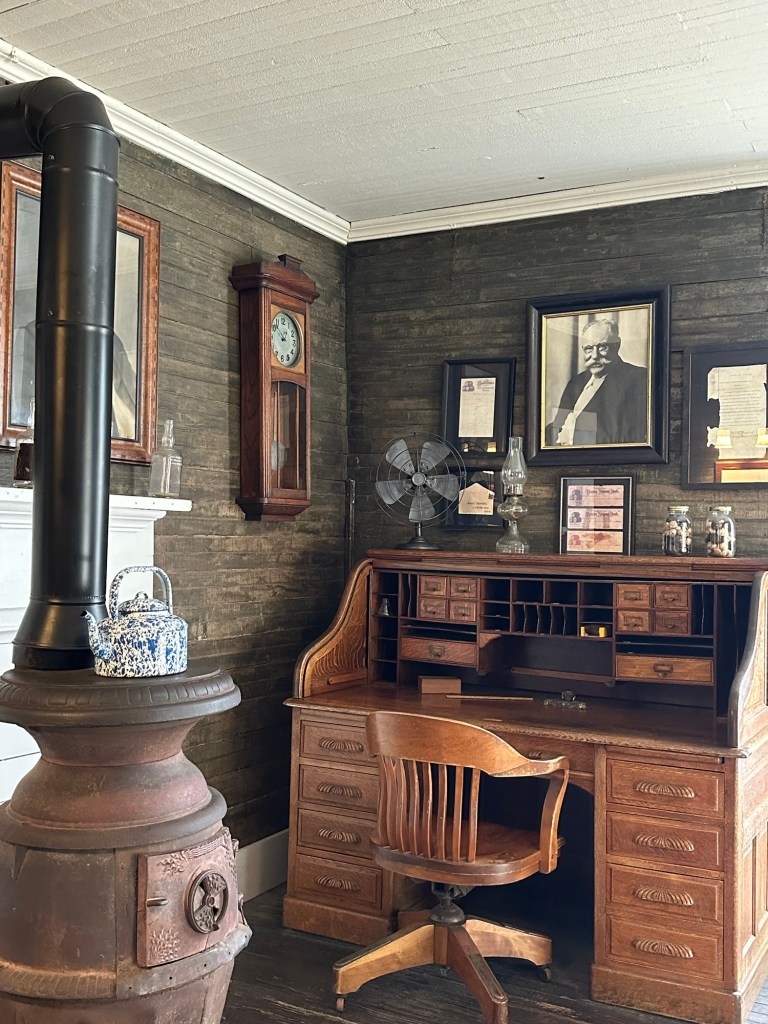
One of American whiskey’s best-known legends is probably true.
One day, Jack became frustrated because he couldn’t remember the combination to his office safe. He kicked it violently, injuring his toe. The wound became infected, gangrene developed, and years later the complications contributed to his death.
Jack built what would eventually become the world’s best-known American whiskey brand. I think he understood branding long before anyone called it that.
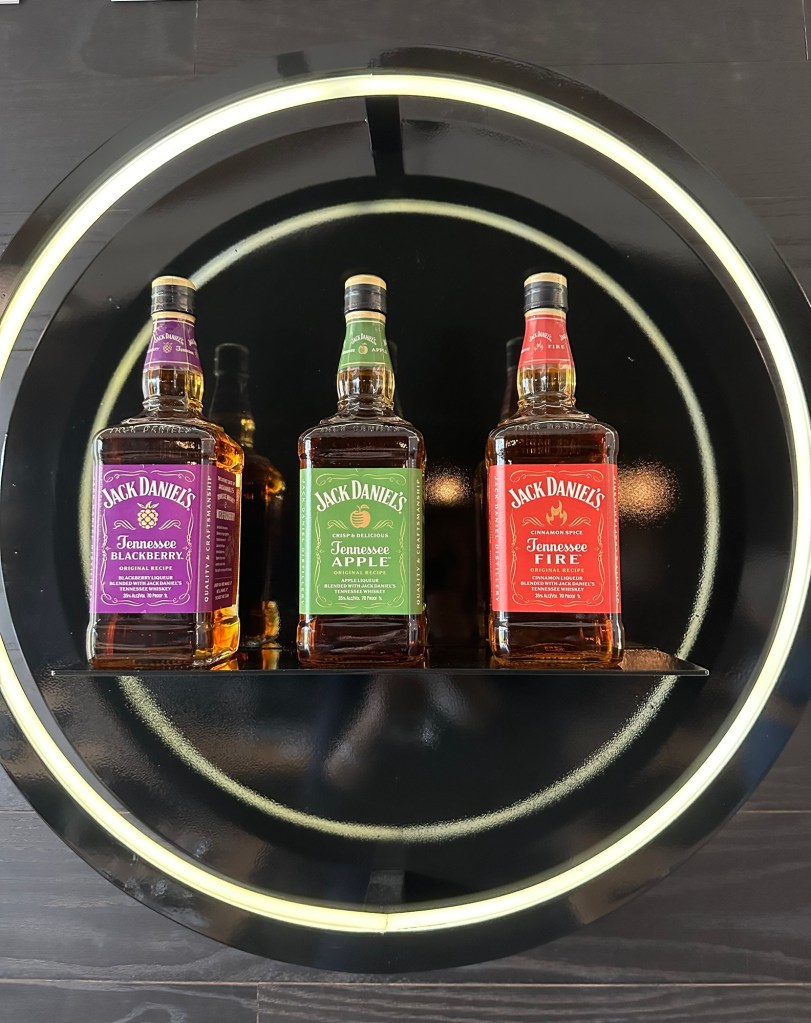
Everything was intentional, from the square bottle and black-and-white label to the mysterious Old No. 7, whose true meaning has never been conclusively explained. Together, they created one of the most recognisable package designs in history.
Rather than being built on flat land, the distillery follows the contours of a narrow valley. Mature oak trees, streams, stone walls and black industrial buildings create an atmosphere that’s almost like a park. It’s surprisingly green and walking around various old buildings is calming.
One detail I’d never seen before was the famous black “whiskey fungus.” It feeds on alcohol vapours released during the ageing process and grows around many American distilleries. Slightly eerie at first glance, but apparently completely harmless.
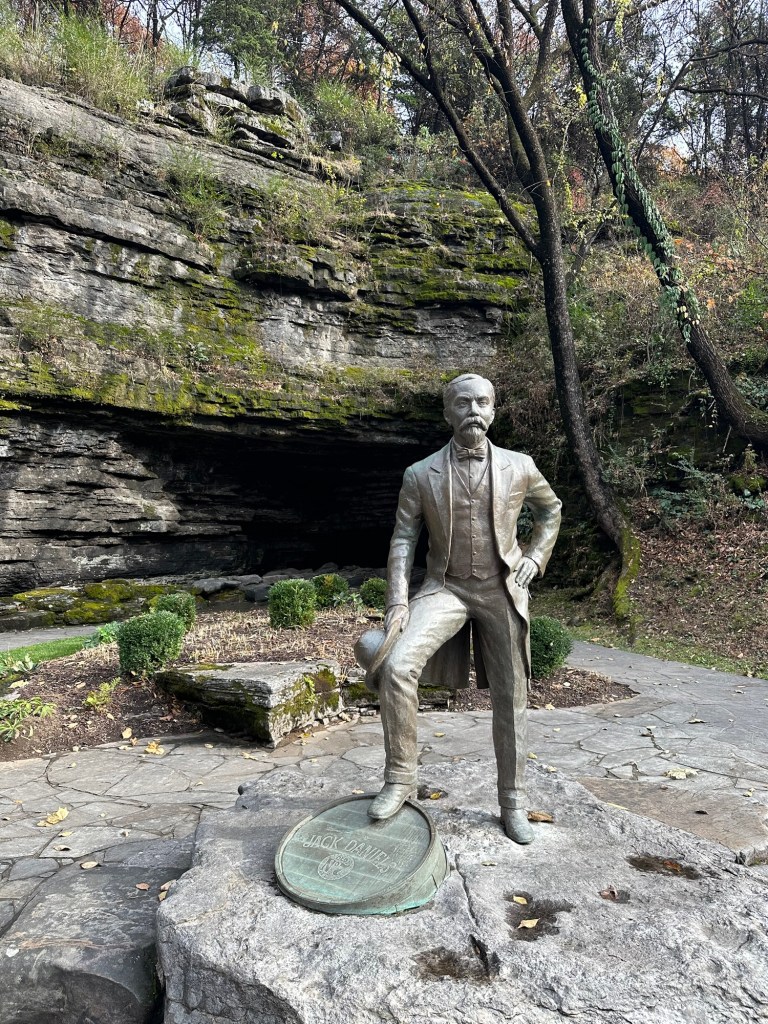
At the heart of the entire distillery is Cave Spring Hollow. A crystal-clear spring emerges from a cave beneath a limestone cliff, producing water that stays at a constant 56°F (13°C) year-round. The limestone naturally filters out iron, which can negatively affect whiskey, making this water ideal for distilling.
Jack Daniel said to chose this exact spot because of this spring, and every drop of his whiskey still starts here today.
A Few Things I Learned Along the Way
- Reserve your distillery tours well in advance, especially at Buffalo Trace.
- Don’t try to visit too many distilleries in one day. After the third sip, everything tastes the same.
- Mix famous producers with smaller boutique distilleries. The contrast makes the experience much richer.
- Even if you’re not planning to buy bottles, tasting bars are an excellent way to understand the different styles.
- Leave time for the towns themselves. Frankfort, Louisville, Bardstown and Lynchburg each have their own personality, and the journey is about much more than what’s inside the bottle.
- Arrange your accommodation near the distilleries you plan to visit. Drunk driving is a definite no-no.
- Create a whiskey playlist before you go. Countless musicians have been inspired by whiskey and bourbon; especially Jack Daniel’s. Country, Southern rock, blues and rock make the perfect soundtrack for the road. Here’s mine.
We arrived expecting to visit a handful of distilleries and a few charming towns.
We left with a much deeper appreciation for Kentucky’s landscapes, Tenessee’s cuisine, the music, Southern hospitality and the people behind the bottles.
And, perhaps most importantly, with a bourbon vocabulary far larger than either of us had expected.