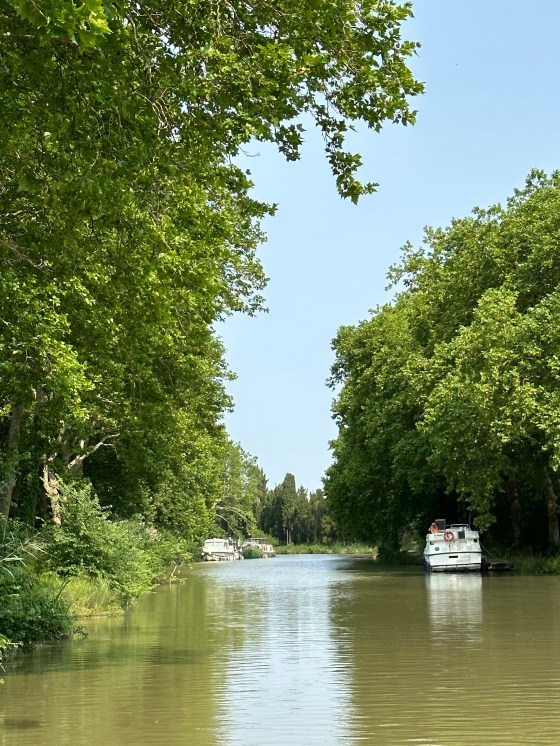
We recently went on a cruise on the Canal du Midi in France, the 360-km network of navigable waterways linking the Mediterranean and the Atlantic.
Built in the 17th century, and now a Unesco World Heritage, Canal du Midi was -and still is- a remarkable feats of engineering. Built in just 27 years, the canal and its 328 structures (locks, aqueducts, bridges, tunnels, etc.) made the rich Occitan even richer through increased trade and paved the way for the French Industrial Revolution.
Canal du Midi
There are many little hamlets and towns around Canal du Midi, all linked with a small route on both sides, where one can walk, run or cycle.
We decided to cruise some 80 kms of it, between Castelnaudary and Homps, passing through 45 locks and taking our time in some of the oldest towns and villages of Southern France.
Maison de l’Ecluse
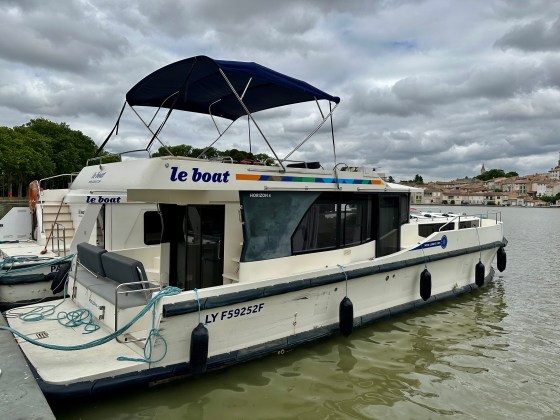
We rented our boat from Le Boat and opted for a Horizon 4, a 44’ with 4 cabins and 4 heads. With 7 people on board, we thought we’d have ample space for a comfortable cruise. After all, we were all seasoned sailors, accustomed to spending time in narrow cabins for relatively long periods.
Well, not so much.
These boats are typically flat bottomed and narrow to navigate the locks and the bridges. So, although our boat had quite a lot of space thanks to its rectangle structure, most of the living spaces were cramped and the showers doubled as storage.
Home for a week
Plus, we quickly found out that keeping anywhere clean is impossible. Nature found a way into our boat from day one; if it wasn’t the brown water bouncing from the locks, then it was the foliage from the low hanging trees.
But the famed little towns and landscape of the Occitan quickly made up for all the slight inconveniences, not to mention the fabled French cuisine and wines.
Languedoc-Roussillon is the oldest wine producing region of France, and the single biggest wine producing region in the world, being responsible for more than a third of France’s total wine production. So there are many Chateaux and vineyards in the area, some offering tastings and visits.
One thing I learned traveling is when there’s wine, there’s usually great food. Occitan didn’t disappoint, surpassing even the high standards set by the other regions of France.
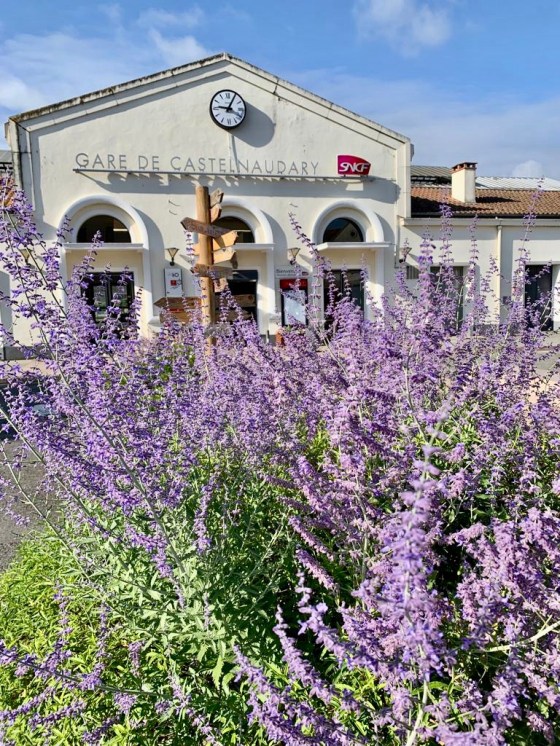
Day 1 – Castelnaudary
The day passed with finding the Le Boat base, listening to the briefing and wondering how the hell we’d manage to fit our luggages and ourselves to our cabins.
Then came the provisions shopping, which meant a 10 minute walk to the town center, which turned out to be a pleasant walk by the canal and into the town. There we found a good size supermarket and a grocery. We planned to have breakfasts and lunches on the boat and dinners on shore, so we invested heavily in the cheese, fruits and wine and not much else, which turned out to be the perfect decision for our schedule. The cashier at the supermarket was very helpful in arranging the only taxi in town to deliver our packages to the boat.
Castelnaudary boasts to be the Capitale Mondiale du Cassoulet – the world capital of the cassoulet, which they prepare with haricot beans, duck confit, pork and Toulouse sausages. They even have a cassoulet festival and an organization with the fancy name La Grande Confrérie du Cassoulet de Castelnaudary ; because, why shouldn’t they ?
In order to taste their famous cassoulets, we went to Au Petit Gazzoullis, a no-nonsense restaurant with delicious homemade food, good service and huge portions. Everything we tried was delicious . Although I really like cassoulet, it’s not my preferred dish during a heat wave, so I tried their Confit de Canard, which was finger-licking good.
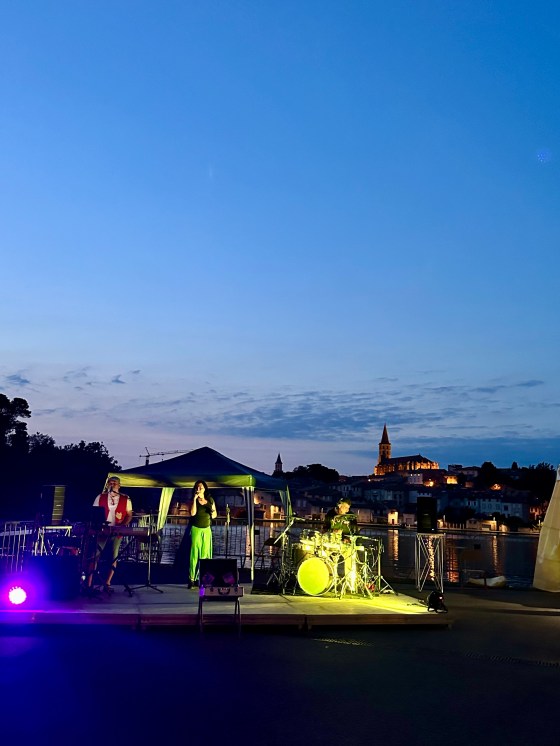
On the way, we found ourselves at a small party where a live band was playing old Italian classics. We bought ourselves a bottle of limoncello from a stand nearby and became the life of the party for a while.
I mean, who doesn’t like dancing to Felicitá ?
Day 2 – Castelnaudary to Bram
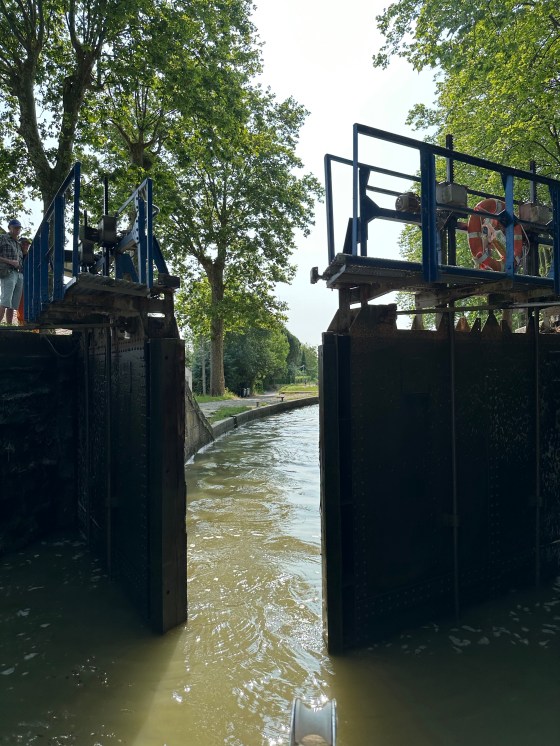
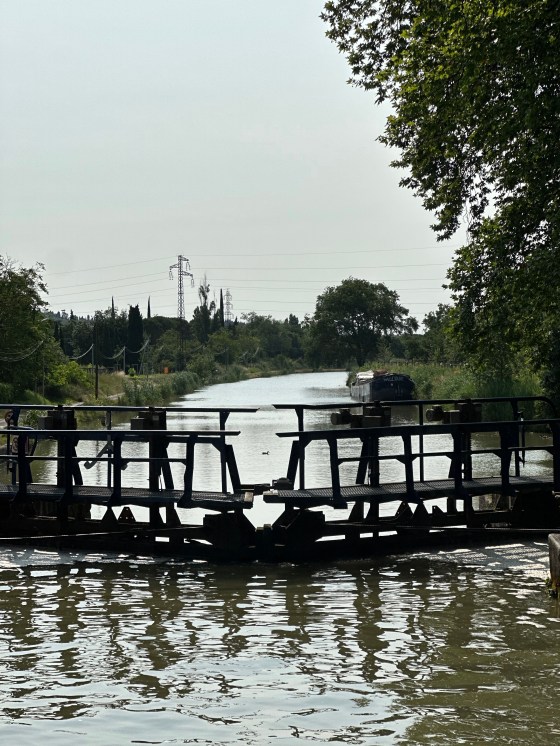
We started early for we had a long day with 18 locks to master. After the first couple of locks, we started to get the hang of it. Typically, the lock attendants try to get two or three boats in the locks at the same time, so it’s a slow process. They are great, helpful and even entertaining, but the whole thing needs some getting used to. After the 4th or the 5th canal, we all got the hang of it.
And just like that, our new adventure begins
The day was hot and long. I quickly realized that cruising on a piece of water that you can not swim in is a special kind of torture.
One thing that surprised me was the fact that all the boats were allowed to discharge their black water tanks directly to the canal. Hopefully this will change in the coming years.
After 7.5 hours, we moored near Bram, a small village about two km away from the canal and walked to the town center.
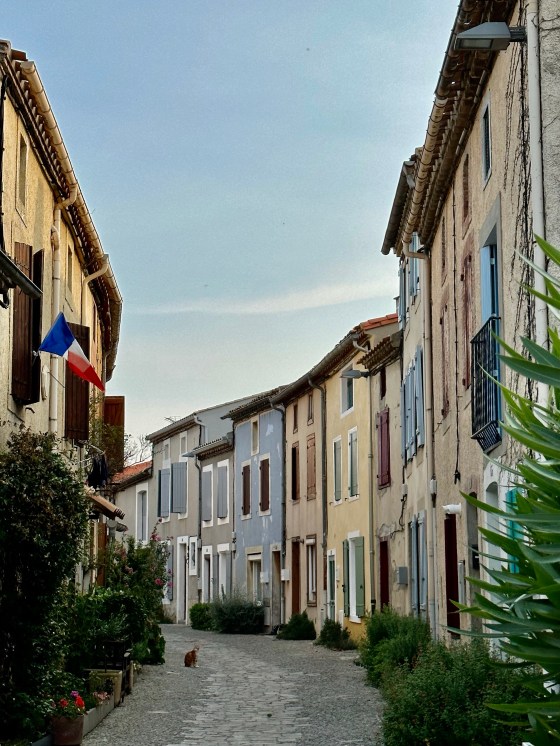
Bram is a circular village; it was built around its fortress church in 12th century with only one gate to enter the village and no alleys between houses. The whole village was built around one circular street.
Maybe they were hoping to confuse the attackers; or at least to slow them down.
Streets of Bram
Unfortunately, it didn’t work.
A center for Cathar belief, its citizens were tortured and executed during the Albigensian Crusade of the 13th century like many other towns and villages in the region.
Today it’s a sleepy little hamlet of about 3000 people, benefitting from the traffic that cruise boats bring.
After touring the village and trying not to disturb the locals, we found a small tavern with a lovely garden and dined on grilled shrimps and cassoulet at Le Petit Bramais and walk back to our boat for an early night.
Day 3 – Bram to Carcassonne
We had another hot and long day; 6 hours for passing through just 7 locks under a hot sun with virtually no wind. However, we didn’t mind, for the scenery was amazing. Plane trees arched over the canal, throwing patches of shade on the still water, while endless vineyards rolled away in the distance.
We had two issues with the boat; one was we couldn’t put the tent up for long periods, for we had to pass under so many low bridges. So, we put the cheap umbrellas we bought to good use. In fact, one of the bywords of the cruise became ‘duck’ for we constantly have to duck to pass under the low bridges and lower hanging trees.
Duck !
The other was the fact that nobody was feeling brave enough to test the showers on board. In short, we were all hot and dirty and the overall mood was quickly turning to survival than holiday.
Since we were planning to spend two nights at Carcassonne, and the boat base is quite a distance to the fortified city; we decided to find a small hotel near the citadel for the first night. The cold showers and air conditioning worked their magic and we were back to the business of enjoying ourselves in no time.
After a very enjoyable dinner at the Brasserie à 4 temps, we walked to the La Cité and wondered around the cobbled streets of the ancient citadel.
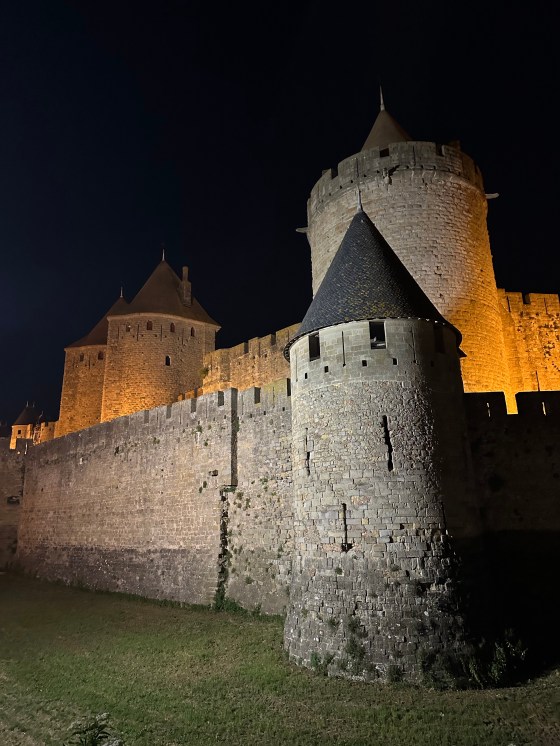
Carcassonne at night
Day 4 – Carcassonne
When I wake up, the first thing I saw from my window were the clouds, a truly welcome sight, and walked to the citadel on a cool and lovely morning.
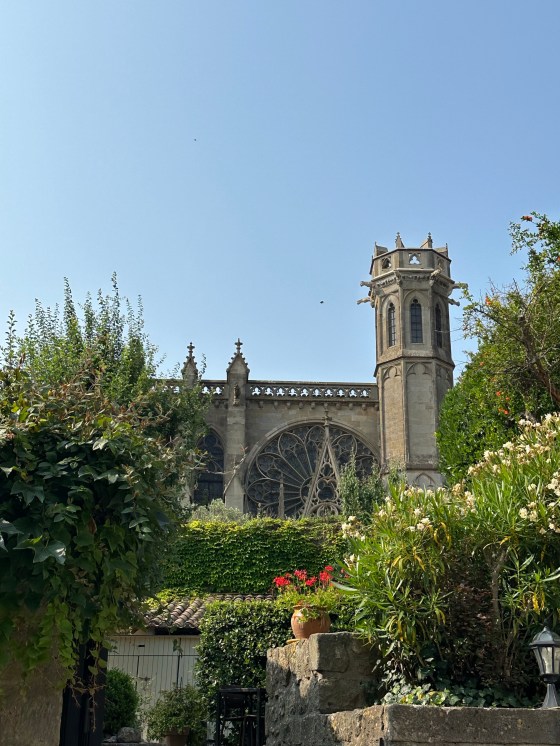
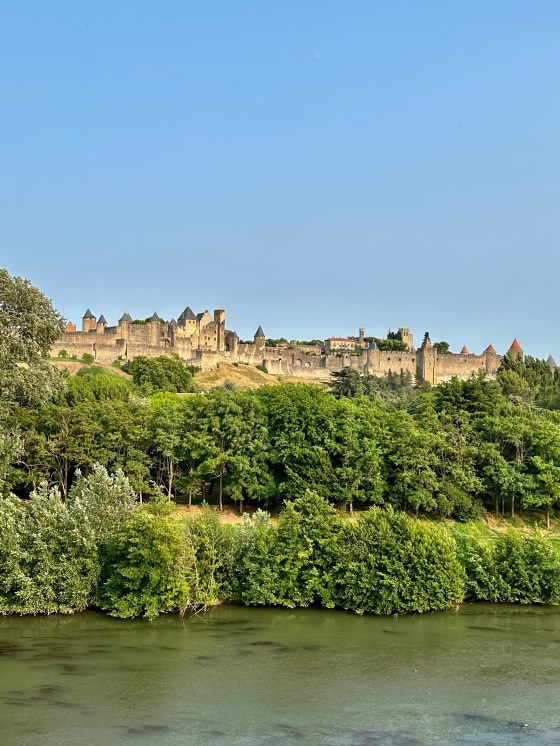
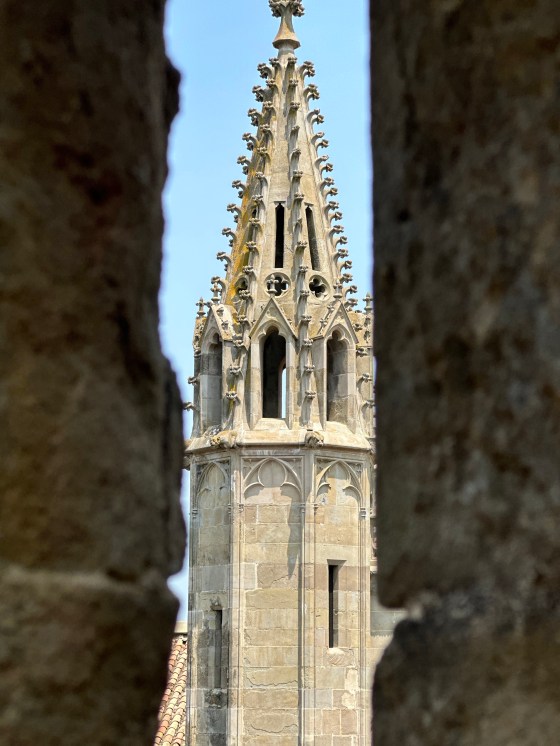
Once claimed by Romans, Visigoths, Saracens, and Crusaders, the citadel of Carcassonne is an absolute must-visit. Here, perched atop a rocky hill in ‘La Cité,’ as the citadel is now known, lies the Carcassonne Castle. It looks like something straight out of a Disney fairytale: think thick walls and towers, spiky turrets, heavy drawbridges, and a moat. It is the very image of a perfect medieval castle and the citadel was listed by UNESCO as a World Heritage Site in 1997.
La Cité
From the top of the hill, you get stunning views of Carcassonne to the west, the Aude river and Canal du Midi to the north, and the snow-capped Pyrénées to the south. This, coupled with the castle’s grisly history, has made Carcassonne one of France’s most popular tourist attractions.
Carcassonne was slated for demolition in the 19th century, but thanks to one of Europe’s largest restoration projects, it is a very lovely and lively historical and tourist destination.
We had a lovely breakfast at one of the cafes in the citadel and start exploring the castle and the ramparts. I strongly suggest buying tickets online, generally there’s quite a crowd.
Carcassonne deserves its own blog post, so I’ll not go into details here, but I can easily say that it’s truly an experience to walk on top of its high walls, take in the views and merge oneself in its history, although quite a sad one. Then again, people used to built these huge castles for protection, not for fun; and this particular castle saw its fair share of siege, betrayal and war, especially during the Albigensian Crusade of 13th century.
Afterwards we took the small train to go back to the boat base and spend the afternoon exploring the modern city. I found it beautiful and well organized, with its lively cafes, town squares and shops. Edi, our resident gourmand, made the most of the fromageries and turned our simple lunches into daily feasts.
The true miracle happened in the evening where it started to rain and not stop until early morning, so we walked to Table du Vatican, an Italian restaurant five minutes away from our boat base. We sat at the kitsch terrace under huge umbrellas, listening to the rain and sipping our wine in this very old and beautiful city. After meal after meal of heavy – but oh-so-yummy- French food, I truly enjoyed the delicious simplicity of the Italian cuisine.
Day 5 – Carcassonne to Trébes
The day was fresh and cool and the countryside vibrant after yesterday’s rains. Our route was short that day, 4 hours of cruising with just 7 locks, and we enjoyed every second of it.
There are two factors that one has to take into account when planning such a trip.
⁃ The lock attendants try to group as many boats as possible to conserve as much water as possible, for south of France had a very dry winter. So, at most of the locks, we had to wait for other boats or they had to wait for us.
⁃ The lock attendants take their lunch break between 12:00 and 13:00 and it’s sacrosanct. Which meant we took our lunches according to their schedule.
We passed many maison de l’ecluse en route. Most were beautiful old stone buildings, surrounded by small gardens, although some of them doubled as galleries to local artists, or shops.
One of the many ‘maison de l’ecluse’
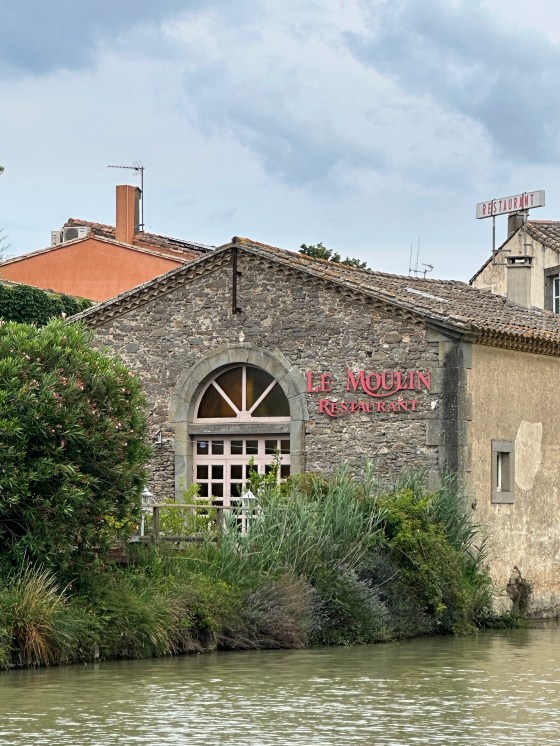
Sandwiched between vineyards and olive trees, Trébes turned out to be a picturesque little hamlet. It has a little ‘marina’, a 14th cc church, nice bars and a very good restaurant, Le Moulin de Trébes.
After a quick shower at the boat base (yesss!) and a few cocktails at the shore, we slowly found our way there and had another memorable dinner, which was one of the best of the tour.
Le Moulin de Trébes.
Day 6 – Trébes to La Redorte
The cool weather continued to our delight and another 6 hours cruising, navigating some 12 locks went quite pleasantly.
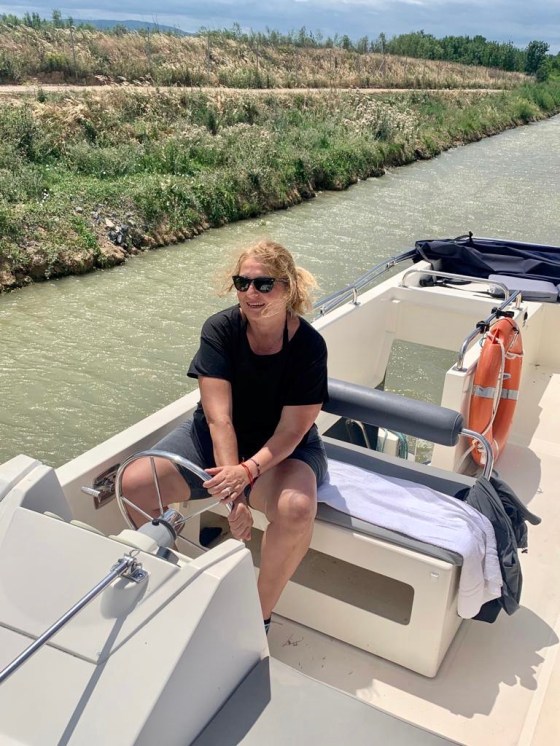
I enjoyed the locks with all the rope handling it involved. But steering the boat turned out to be a challenge. Normally, I’m a quite steady hand on the wheel, whether it’s a car or a boat, but when I first tried the wheel of our canal boat, I felt like riding a strong willed horse. I got the hang of it eventually (the trick is constantly making tiny adjustments) , but for the life of me, I still don’t understand why a straight bottomed boat cannot navigate a perfectly straight canal.
Aye, captain!
When we arrived at La Redorte, we found the town sleeping and took a tour on its deserted streets. Sundays in rural France are not exactly fun days. But when the evening came, it became another story. There was a wine tasting on the shore with a few local wine makers; and our waiter at our restaurant informed us that we could buy our wine from them for our dinner. It turned out to be quite a fun evening with lots of local wine and some delicious hamburgers.
Day 7 – La Redorte to Homps
Our last day was the easiest cruising day with just one lock to pass, so we can be on time for our check out at the Homps boat base.
Oddly enough, I realised I was going to miss doing the locks. Somewhere along the way, they had become my favourite part of the cruise, and I had grown to love them.
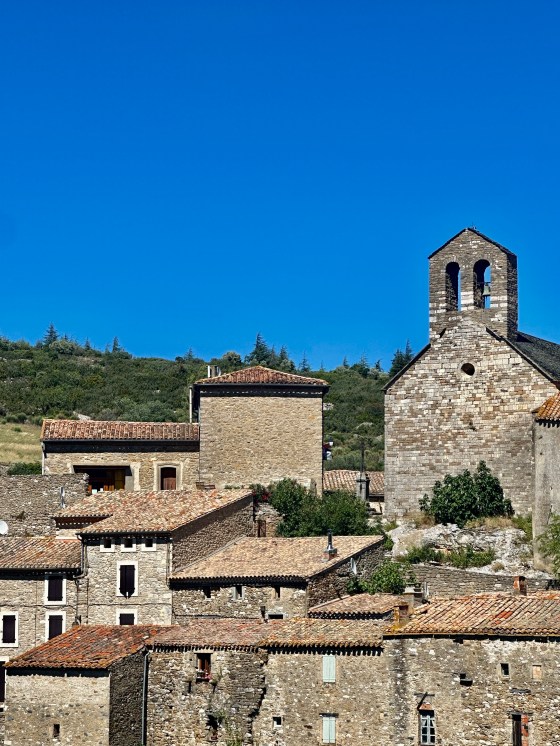
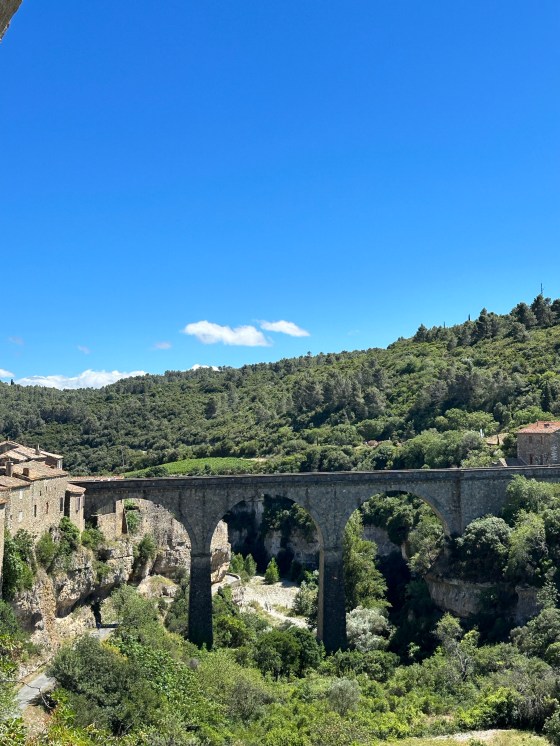
The real treat of the day was our little excursion to Minerve, a picturesque village known for its charming medieval architecture, cobblestone streets, and stunning natural surroundings. The village is designated as one of the “Les Plus Beaux Villages de France” (The Most Beautiful Villages of France), which highlights its cultural and historical significance. One of Minerve’s notable features is its historic Cathar fortifications, which played a role in the Cathar Crusade during the 13th century. The village is also famous for its unique natural bridges and caves carved by the rivers that flow through the area.
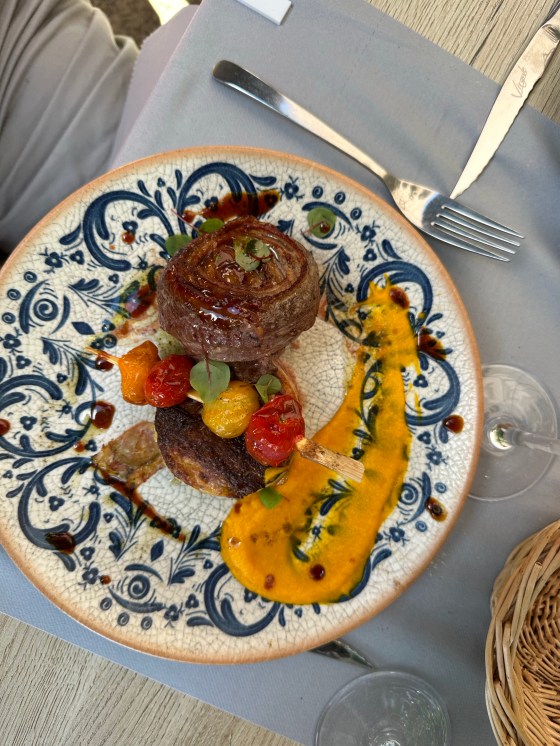
We had a very good lunch at Aux 2 Rivière, a tiny restaurant perched on a rocky hilltop, made unforgettable by the views of the surrounding valleys and vineyards.
After enjoying the scrumptious Occitan cuisine for the last time, and fortifying ourselves with the local Minervois wines, which are truly exceptional, we started to explore the little village.
Pont Vieux of Minerve
With its narrow streets, local shops and artisan studios, Minerve is another must-see. It’s a very small village, but everywhere we turned, another spectacular view was opening in front of us, so we took our time to savior the sights, and visited the little shops and studios.
After a very pleasant afternoon, we turned back to Homps to our boat for our last night on board and our last wine and cheese dinner.
Some notes if you are interested in cruising the Canal du Midi:
⁃ There are two main companies that offer self drive boats, Le Boat and Locaboats. We’ve rented from Le Boat, because the user comments were more positive. Despite that we were not extremely satisfied with the service, and that sentiment was shared by the fellow cruisers that we’ve met at the bases. If you are planning such a cruise, it’s best to lower the expectations with regards to onboard facilities.
⁃ The same goes for the boat bases or the en route. The facilities, where available, are pretty basic.
⁃Our repeated request for rental bicycles went unanswered, which was disappointing considering the beautiful routes around the canal. Moreover, finding a taxi between villages is quite challenging, compounded by the absence of Uber. Having bicycles on board would undoubtedly enhance our overall experience.
⁃ Climate change effected southern France, where they had a dry winter. It was reflected on the foliage as well as the daily activities of the lock attendants. With each year getting hotter than the last, its best to prepare accordingly , to get the best of this unique experience.
Despite all the slight inconveniences, I truly loved cruising the Canal du Midi. Travelling through the heart of southern France, discovering medieval villages, enjoying wonderful food and wines, and unexpectedly falling in love with the locks made for a memorable week. But what made it unforgettable were the people I shared it with.
Because, in the end, it’s rarely the places we remember most. It’s how they made us feel.