
There are places that calm the mind and nurture the soul. Chalki is one of them.
Just six nautical miles west of Rhodes, this tiny Dodecanese island greets you with a palette of pastel-colored houses, hugging the curve of a horseshoe-shaped harbor. The colors are dreamlike — the azure of the sea blending into the pinks, whites, and blues of the neoclassical facades.
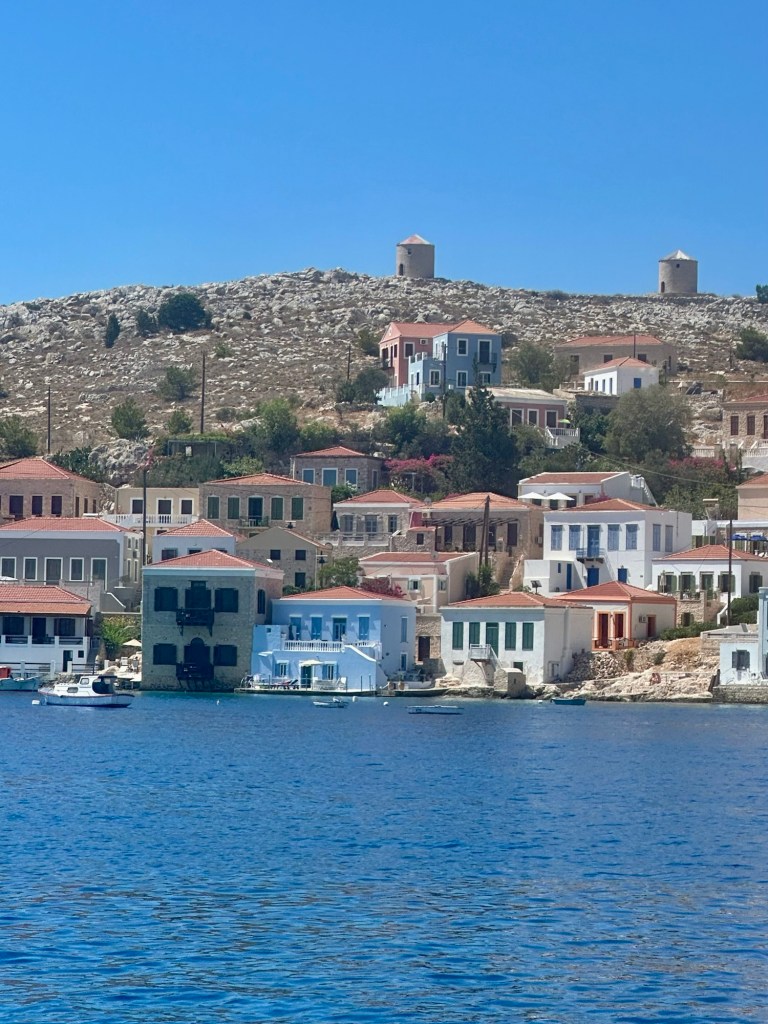
The last time we visited, we sailed from Symi — headwinds and choppy seas made it a rough four-hour ride. But arriving at that little dock, a modest T-shaped jetty that fits around 10–12 boats, felt like reuniting with an old friend.
This year, we found the jetty “upgraded,” with Yannis and his capable son helping boats to anchor — no small task when the side winds pick up. It’s €36 per night, including water and electricity. No reservations; just show up, preferably before noon. They also run the pier’s little market and carry provisions to the boats. Life is simple here.
If the pier is full, don’t worry — you can anchor in the bay, or wait until 6 PM and dock at the ferry pier, once the last ferry departs and the island exhales again.
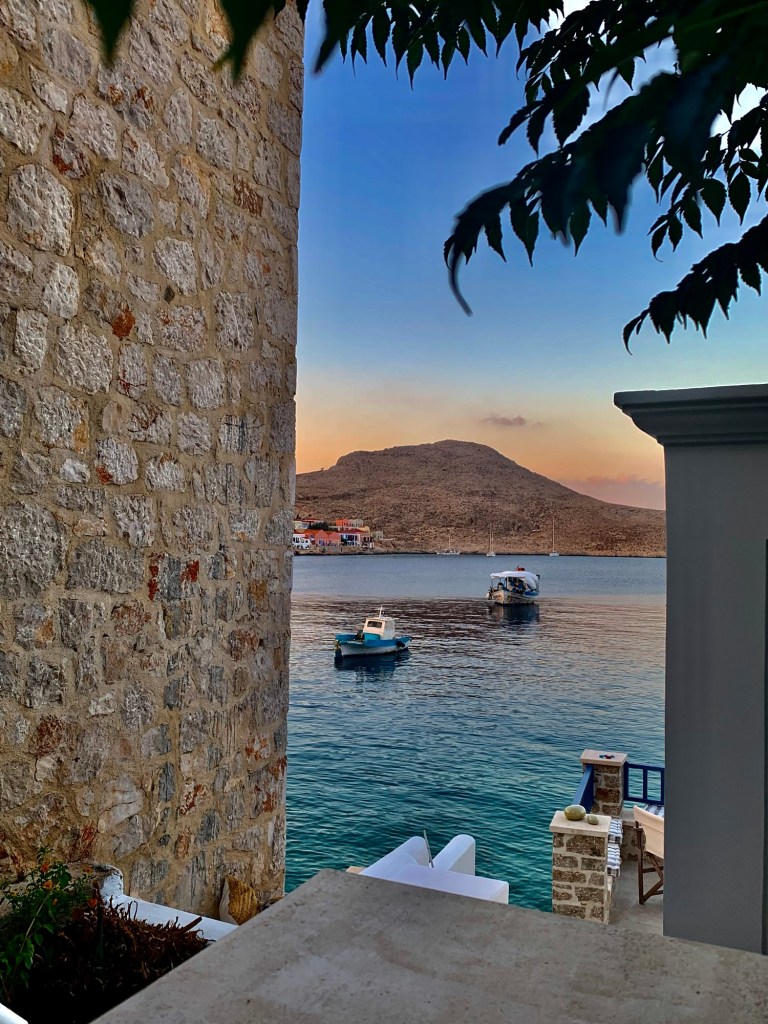
Speaking of ferries, they’re a spectacle. Chalki’s harbor is so small that each ferry’s arrival creates a mini-storm — a ritual disruption that the anchored boats learn to respect.
Once a thriving sponge-diving hub, Chalki now lives solely for the summer. Most locals relocate to Rhodes in winter, leaving behind silence and a cool breeze.
Life here is slow.
Mornings begin with the clink of cups at a seaside café, and the rhythmic lap of waves. The water is astonishingly clear. We rarely head to the beaches — a few strokes off the pier or our boat, and you’re in a world of cobalt and turquoise.
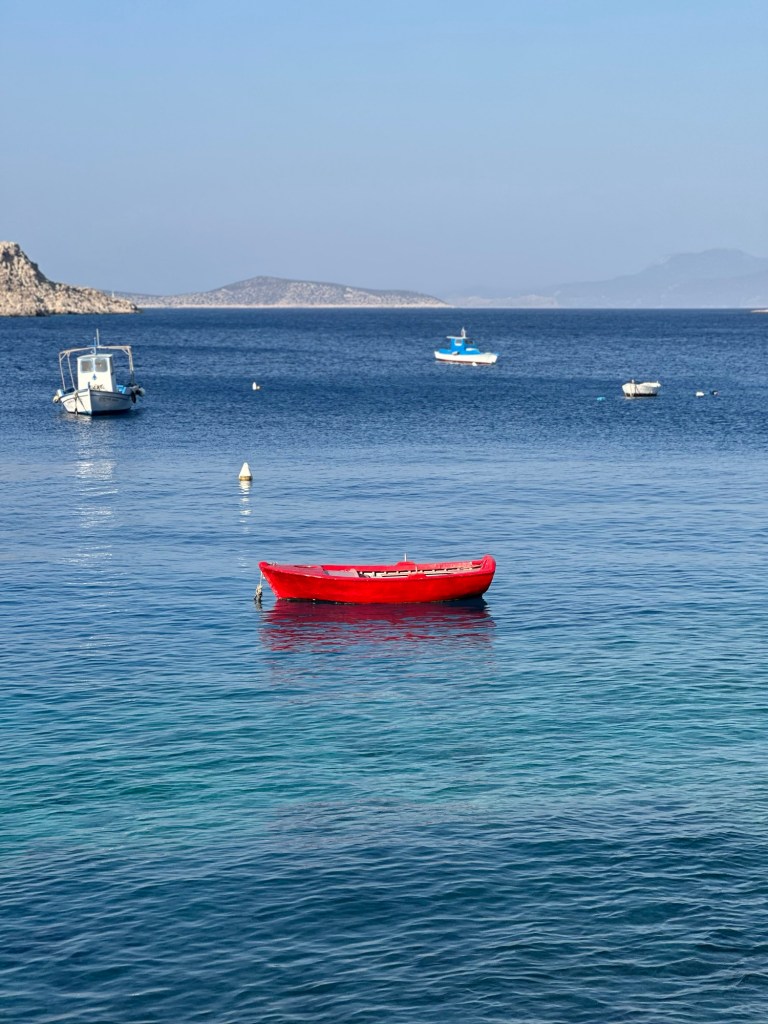
Still, Pondamos Beach is worth the short walk (or sail). It can get busy, but the sea is divine, and Nick’s Tavern is always a good call for a lazy lunch.
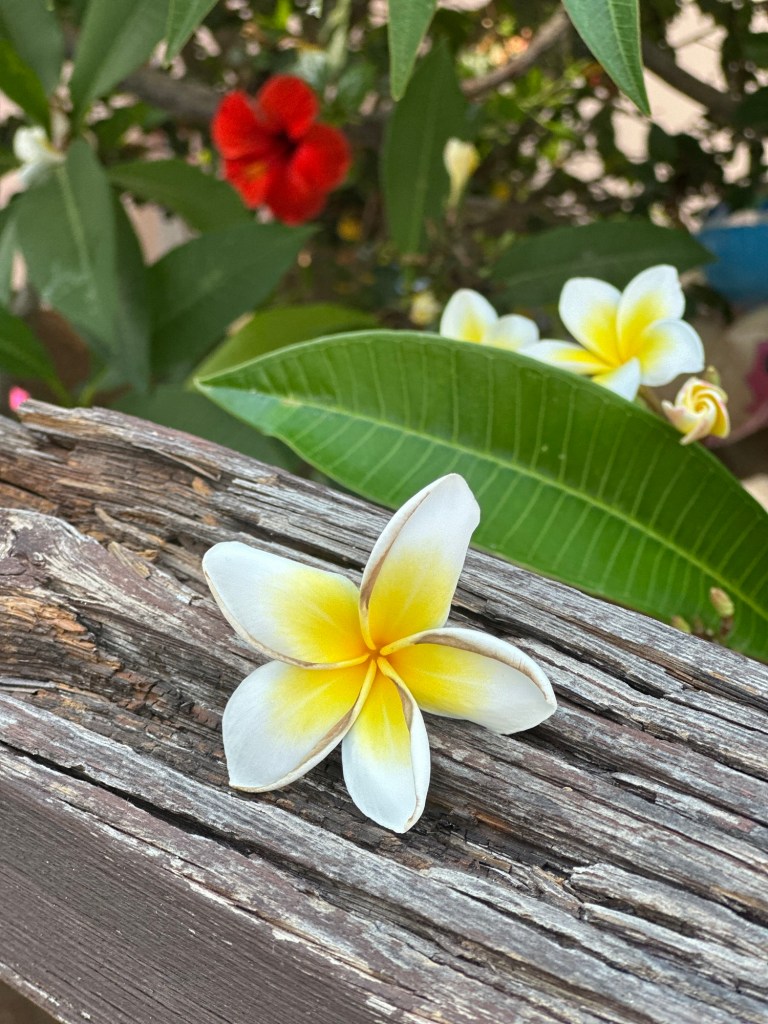
Late afternoons are best spent wandering the alleys behind the harbor: fig trees spilling over garden walls, tiare blossoms perfuming the air, and the gentle creak of old wooden doors. A few charming boutiques sell breezy dresses, handmade soaps, herbs, and beeswax lavender balm — which works wonders on my sun-parched lips.
There’s a jewelry shop run by a mother-daughter duo. The daughter, Maria, told me they stay year-round. “It’s very peaceful in winter,” she said. I believed her. Even in peak summer, Chalki holds on to its calm.
Above the village, Chalki’s windmills stand still . From that vantage point, you can see across the island, and on clear days, all the way to the Turkish coast. The only sounds? Cicadas, the wind, and your own breathing.
As the sun dips, the island gathers quietly by the quay. Tables spill out onto the water’s edge. The tavernas glow. There are a couple of bars that make decent cocktails, but for dinner, Taverna Babis is my favorite — Greek cuisine with just the right touch of sophistication.
Chalki is like a softer, quieter mini-Symi.
No loud music, no tourist crowds. Just laughter, clinking glasses, and people savouring the slow rhythm of island life.
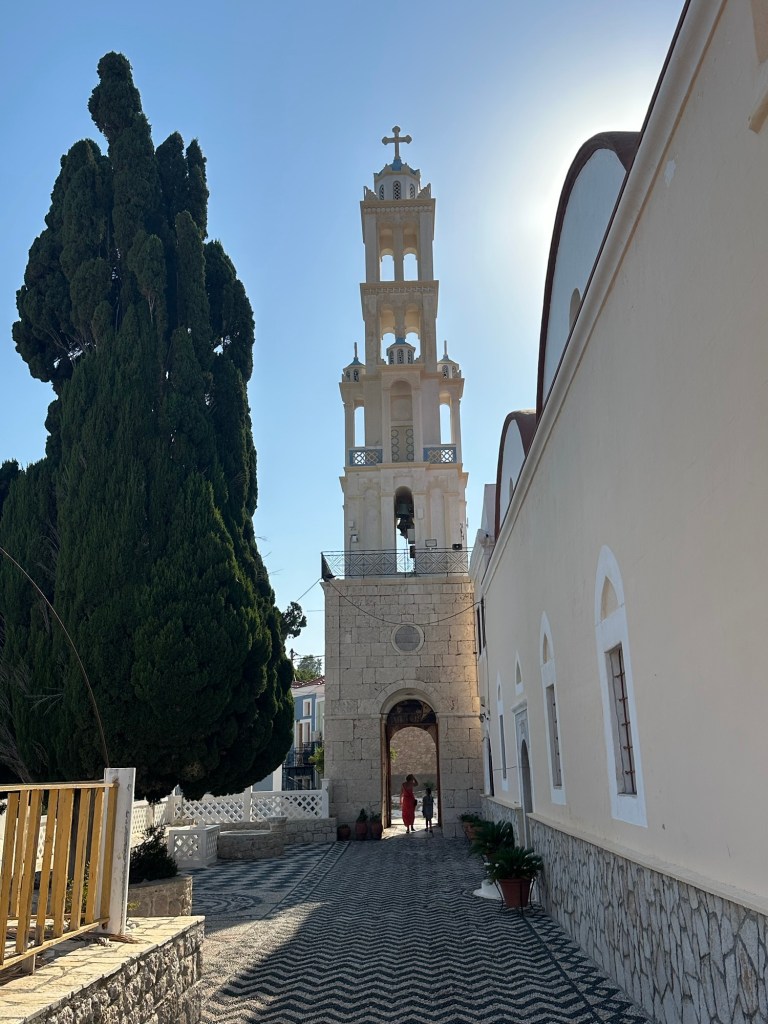
Just four nautical miles southeast of Chalki lies Alimia, a deserted island with a curious past.
It is the island of ghosts, goats and perfect sunsets.
Once inhabited by shepherds, fishermen, and sponge divers, it was transformed into a naval outpost during the Italian occupation (1912–1943). The Italians built barracks, cisterns, and a small port that served as a submarine shelter. Later, during the German occupation, the facilities were repurposed as makeshift prisons and storage depots.
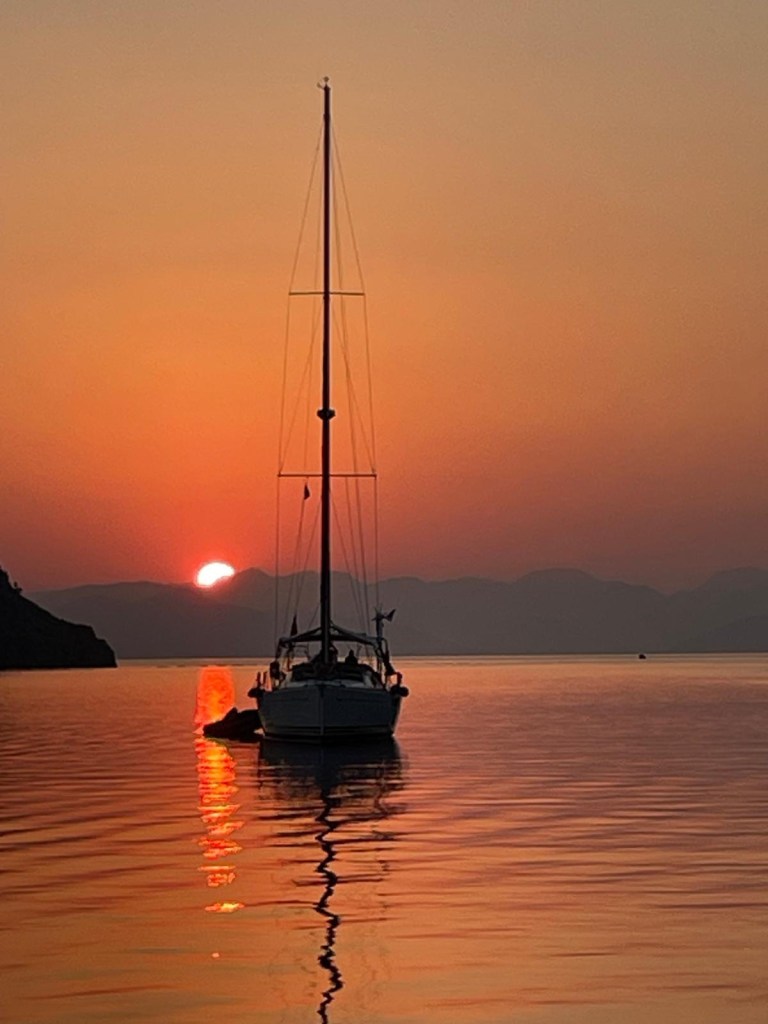
Today, the old barracks are slowly crumbling — walls covered in graffiti, floors littered with goat droppings -the island’s current residents. Still, there’s something dramatic about the place, especially at sunset.
There’s also a small whitewashed church, Agios Minos, standing peacefully in the bay.
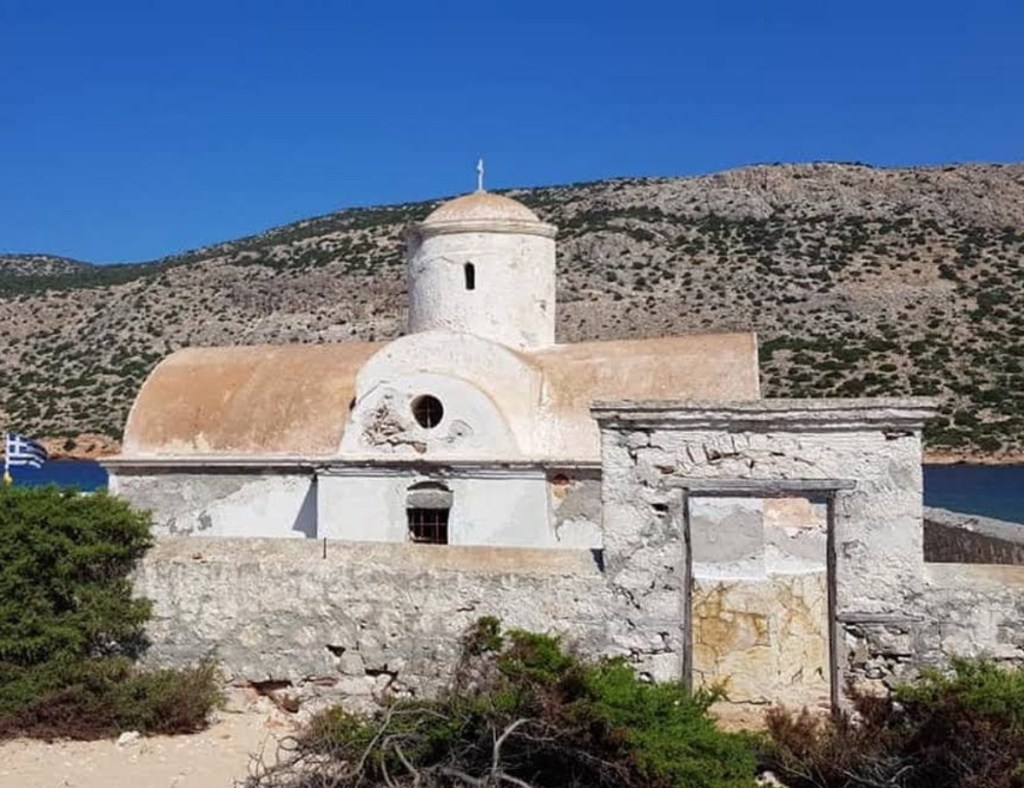
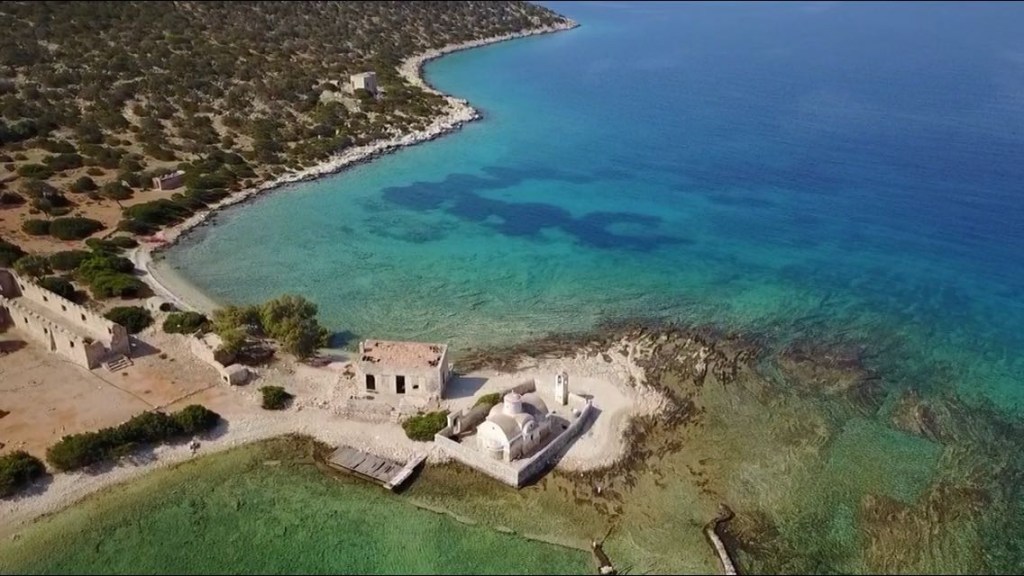
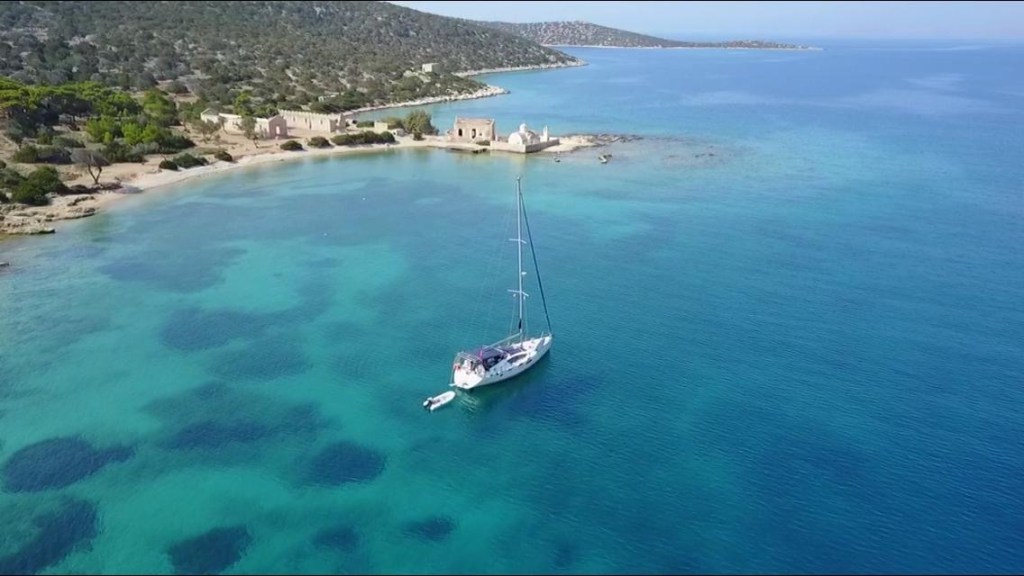
Alimia provides the sailors with a perfect overnight anchorage. The bottom is sandy, the water is crystal-clear, the seabed is visible from above, and snorkeling here is a treat. The internet is shaky at best, providing a complete digital detox. Just the stars, the sea, and a glass of something.
Total isolation at its best.
Then there’s Tilos — small, understated, and quietly revolutionary.
Tucked between Rhodes and Kos, Tilos is Greece’s first energy self-sufficient island, powered entirely by wind and solar. It’s also pioneering a zero-waste model, where recycling, composting, and conscious living are seamlessly woven into daily life — especially in its main seaside village, Livadia.
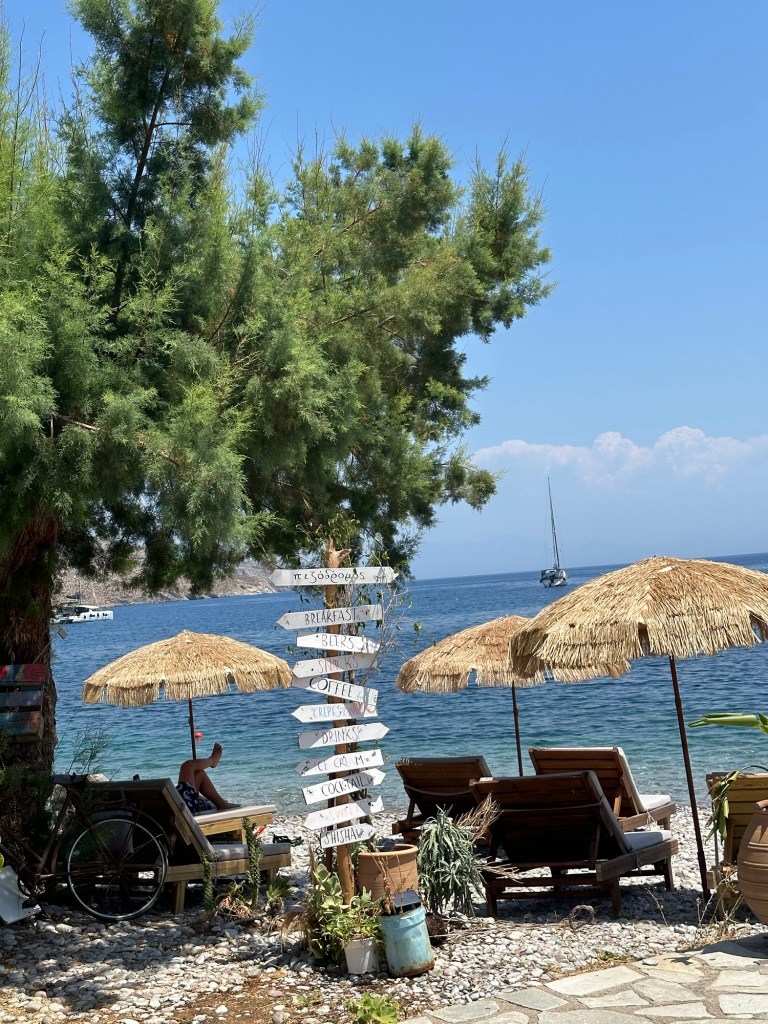
The port is modest: a small quay that accommodates around ten boats, and a ferry dock. But the real magic lies in how naturally all this sustainability fits into the soul of the island. Life here moves in rhythm with the land. Locals grow what they eat, reuse what they can, and protect what matters — not for show, but for their children.
We anchored just off Livadia — a safe, scenic bay with easy access to town and crystal-clear water for swimming. The only downside? Mosquitoes. Lots of them.
Still, we had a beautiful dinner on La Ostra’s terrace, followed by a stroll along the calm seaside promenade. The harbor is lined with tavernas and cafés, perfect for an evening drink or a slow breakfast. If you want to explore inland, electric bikes and rental cars are easy to find — but we took the local bus, which might just be the best way to see the island.

Tilos has exactly three villages. Well, two and a half, really:
• Livadia, the port and seaside base
• Megalo Chorio, the main inland village and administrative heart
• And Mikro Chorio, the ghost village tucked into the hills

The same local bus loops through all of them, with no rush and no announcements — just a friendly wave from the driver and the occasional roadside chat.
Our destination was Mikro Chorio, once the island’s beating heart with over 700 residents. Built in the 15th century by the Knights of St. John, it was gradually abandoned after WWII as life shifted toward the coast. What remains today are crumbling stone houses, faded frescoes, and a hush that feels sacred.

Wander slowly, and you’ll find a quirky bar hidden among the ruins, with views of the valley, good coffee and decent food. They told us that sometimes there’s live music at nights — we weren’t so lucky this time, but we’ll check ahead, if we ever sail to Tilos again.
The bus ride back was a story in itself. The driver stopped to wave at friends, chat with shopkeepers, even carry an old woman’s groceries up a hill.
That’s Tilos — slow, human, and deeply connected.
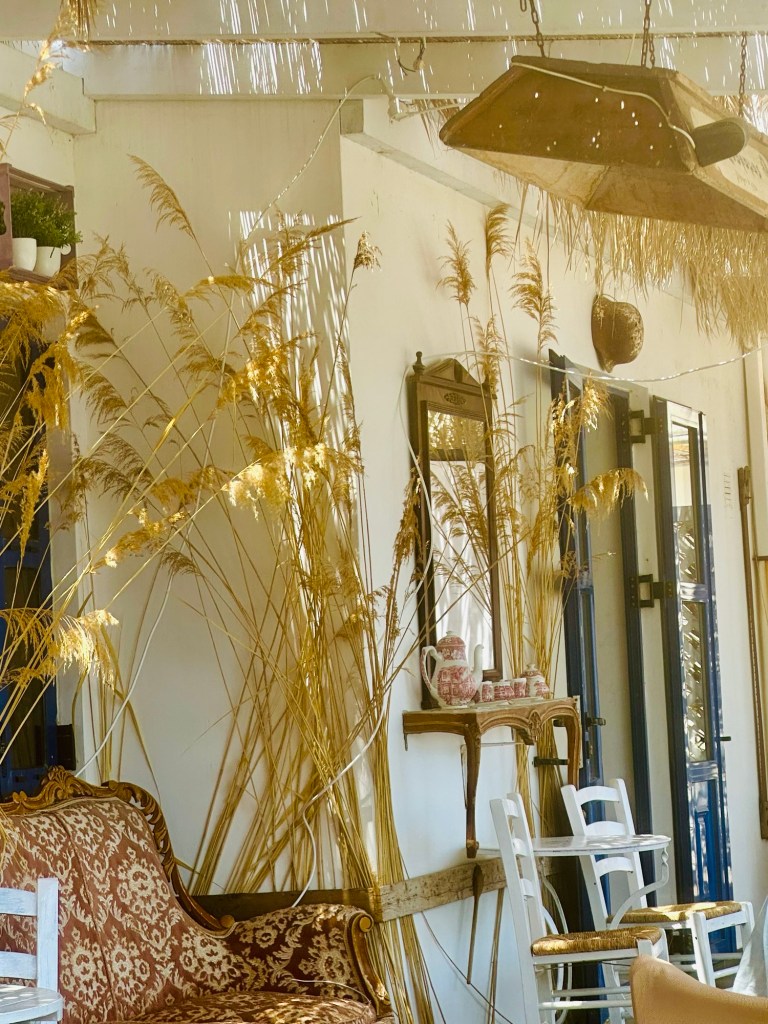
And then there’s its elephants !.
Tilos is home to one of Europe’s most remarkable paleontological discoveries: the fossilized remains of pygmy elephants — the last known elephants to live in Europe.
Standing just 1.2 to 1.5 meters tall, they lived here in isolation during the Late Ice Age, long after their larger relatives vanished from the mainland.
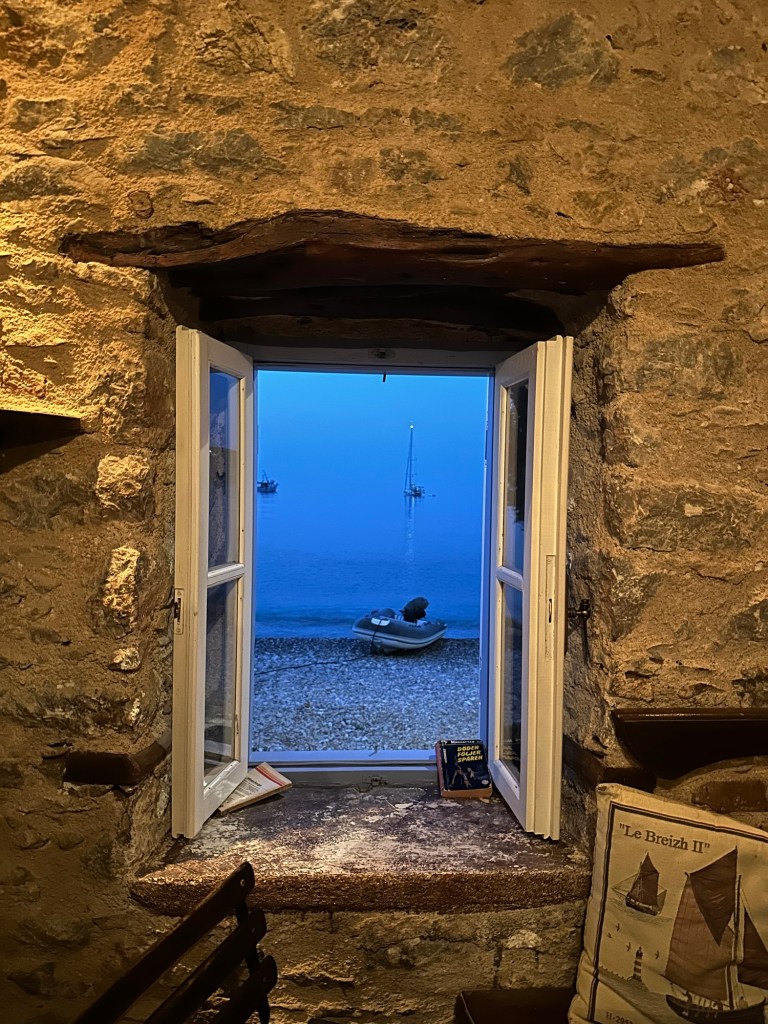
There’s a small Paleontology Museum in Megalo Chorio, dedicated to these creatures. We couldn’t make it there this time — but it’s reason enough to return.
Chalki, Alimia, and Tilos aren’t places to rush through. They’re places to breathe. To drift. To tune into quieter rhythms — sea, sun and silence.
In an age of overcrowded tourism and 24-hour news cycle, places like these aren’t luxuries.
They’re necessities.
 CherryPicks
Thank you
LikeLiked by 1 person